






With so many types of face oil on the shelf, it is easy to buy one that sits greasily on top or vanishes without doing much. The secret is matching texture to skin: light oils for oily and combination skin, nourishing ones for normal skin, rich oils for very dry skin. Here is a clear guide to the most common face oils, which one suits you, the oils to be careful with, and how to use them properly.
- Oily or combination skin: light oils such as squalane, jojoba or grapeseed.
- Normal skin: rosehip, argan or sweet almond.
- Dry or mature-feeling skin: marula, avocado or a richer blend, over moisturiser at night.
- Use two or three drops as the last step of your routine, before sunscreen in the morning.
- Face oils soften and help reduce water loss; they do not replace moisturiser on very dry skin.
What face oils do (and do not do)
A face oil is a blend of plant oils, sometimes with added actives. Oils are rich in fatty acids that soften the skin and form a light layer that helps slow water loss. That is why skin feels comfortable and looks smoother after a few drops.
What oils do not do is add water. Dehydrated skin needs a water-based serum or moisturiser first; the oil then helps keep that hydration in. And no oil on its own treats acne, wrinkles or skin conditions, whatever the label promises.
Types of face oil at a glance
Use this table to find oils that match your skin. Texture is the most useful guide: the lighter the oil, the faster it absorbs and the less it shows on the skin.
| Oil | Texture | Usually suits |
|---|---|---|
| Squalane | Very light, absorbs fast | All skin types, including oily and combination |
| Jojoba | Light to medium | Combination and oily skin; a common base oil |
| Grapeseed | Light | Oily and combination skin |
| Rosehip seed | Light to medium | Normal, dry or dull-looking skin |
| Argan | Medium | Normal to dry skin |
| Sweet almond | Medium | Normal and dry skin (avoid with nut allergies) |
| Pomegranate seed | Medium | Dry or mature-feeling skin |
| Sea buckthorn | Medium, bright orange | Dry or dull skin; used in small amounts within blends |
| Marula | Medium to rich | Dry skin |
| Avocado | Rich | Very dry skin; often used in night blends |
Many face oils are blends of several of these, often with antioxidants or actives added. Read the first few ingredients on the label (INCI) to see which oils lead the formula.

Find your face oil
Light, nourishing and treatment oils, chosen by skin type.
Shop face oilsThe best face oil for your skin type
Oily or combination skin
Light oils such as squalane, jojoba or grapeseed, two or three drops at night. On combination skin, press them onto drier cheeks and skip the T-zone if it gets shiny.
Normal skin
Rosehip, argan or a balanced blend. Use at night, or one drop mixed into your moisturiser in the morning for a soft finish under make-up.
Dry or mature-feeling skin
Marula, avocado or a richer blend pressed over moisturiser at night. Add a drop in the morning on very dry days, before sunscreen.
Sensitive or blemish-prone skin
Short ingredient lists and fragrance-free formulas are the safest start. Patch-test for 24 to 48 hours, introduce one new product at a time, and keep oils light.
Oils to be careful with
- Coconut oil. Many people find it too heavy for the face, and it can contribute to clogged pores. Better kept for body and hair.
- Tea tree and peppermint. These are essential oils, not face oils. Never apply them neat; use them only in properly diluted finished products.
- Heavily fragranced blends. Essential oils add scent and character but contain natural fragrance allergens. Sensitive skin may react.
- Retinol oils. These are treatment products: use at night, start slowly, wear sunscreen by day, and check with your GP or midwife before using retinoids if you are pregnant or breastfeeding.
How to use a face oil
Cleanse and hydrate first
Apply your serum and moisturiser as usual. The oil goes on top, to soften and help keep that hydration in.
Warm two or three drops
Rub them between your palms. More is rarely better: excess oil just sits on the surface.
Press, do not rub
Press your palms onto your cheeks, forehead and jaw, then smooth any remaining oil down the neck. Pressing spreads it evenly without tugging the skin.
Finish with sunscreen in the morning
If you use oil in the morning, let it settle for a minute, then apply SPF as the last step.
Choose a face oil by texture first and ingredients second: the right weight for your skin makes all the difference.
Our face oil picks
In stock today, from light and soothing to night-time treatment.

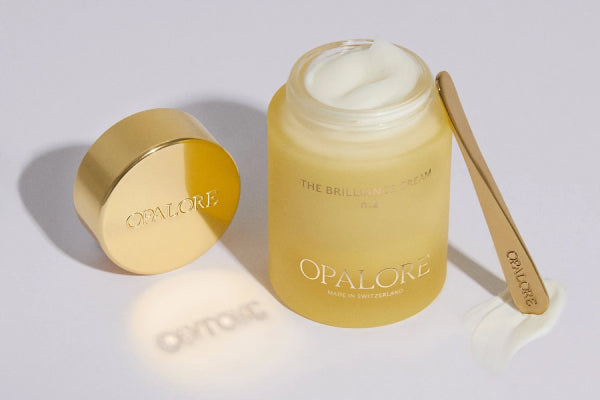
Absorbs without shine; plant oils and hydrolysed silk to restore moisture balance.
Shop now →
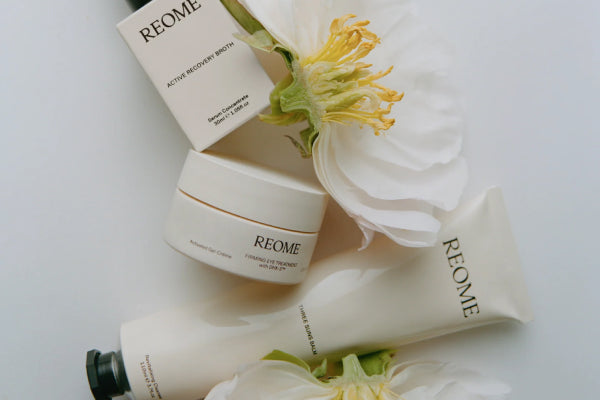
Lightweight antioxidant oil to smooth, plump and seal in moisture.
Shop now →
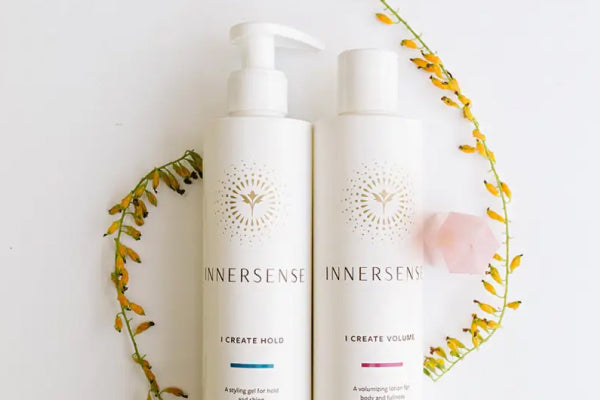
Botanical blend with clove and grape seed oils, made for blemish-prone skin.
Shop now →
Night oil with 1.2% retinol, cacay and fermented green tea, for new and advanced users.
Shop now →
A gentle cleanse first
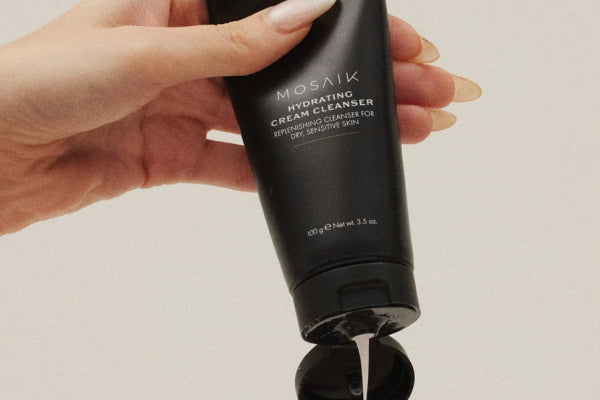
Oils work best on clean, comfortable skin. Find a cleanser that does not strip.
Shop cleansersExplore all natural face oils, skincare with jojoba oil, argan oil and rosehip seed oil, and our face serums and treatments to layer underneath. For rose-based oils, read our guide to rose oil for skin; for the body, dry body oil vs wet oil.
Frequently asked questions
What are the main types of face oil?
Face oils are usually grouped by texture: light oils such as squalane, grapeseed and jojoba absorb quickly; medium oils such as rosehip, argan and sweet almond feel nourishing without being heavy; rich oils such as marula and avocado suit very dry skin. Some face oils are also treatment blends with added actives, such as retinol or vitamin C.
Which face oil is best for oily or acne-prone skin?
Light oils are usually the most comfortable: squalane, jojoba and grapeseed are popular choices. Use two or three drops, avoid very rich oils, and patch-test, because any product can disagree with individual skin. Oils do not treat acne; speak to a pharmacist or GP about persistent breakouts.
Which face oil is best for dry skin?
Dry skin often enjoys medium to rich oils such as argan, marula, avocado or rosehip, pressed over moisturiser at night. A face oil softens and helps reduce water loss, but it does not replace a moisturiser on very dry skin.
Is coconut oil good for the face?
Some people with dry skin get on with it, but many find it too heavy and it can contribute to clogged pores on the face. If you are prone to breakouts, choose a lighter oil instead.
Should face oil go before or after moisturiser?
In most routines, after: cleanse, serum, moisturiser, then two or three drops of oil pressed over the top. You can also mix one drop into your moisturiser. In the morning, sunscreen goes last.
Can I use face oil every day?
Yes, if your skin likes it. Many people use a face oil every night and skip it in the morning under make-up. Treatment oils with retinol are usually used at night only, starting a few times a week.
Can I use tea tree or peppermint oil on my face?
Not neat. These are essential oils, highly concentrated and potentially irritating. They should only be used in properly diluted, finished products, and some people with sensitive skin are better off avoiding them.


