





A dry body oil sounds like a contradiction, but the name simply describes how it feels: it sinks in quickly and leaves skin satin-soft rather than slick. Richer, “wet” oils sit on the surface for longer and give more cushioning. Neither is better; they suit different skin, seasons and moments in your day. Here is how to tell them apart, choose the right one and get the most from it.
- Dry oils absorb fast and feel light: best for daytime, warmer weather and dressing straight away.
- Wet or rich oils feel heavier and stay on longer: best for very dry skin, massage and night-time.
- Apply either to slightly damp skin after a shower for the most even, comfortable finish.
- Oils soften and help reduce water loss; they do not add water, so very dry skin may need a cream too.
- A drop of light oil also smooths dry hair ends and conditions cuticles.
What a dry body oil actually is
All body oils are made from fats and oil-like ingredients, so none of them is literally dry. “Dry oil” is a texture description: a formula that spreads easily, absorbs within a minute or two and leaves a satin, non-greasy finish. Brands achieve this with lighter plant oils and fast-absorbing ingredients, often in a spray or a thin, glossy oil.
Rich or “wet” oils are thicker and slower to absorb. They leave a visible sheen and a cushioned feel on the skin for longer. That is not a flaw: on very dry, rough skin, or for a slow massage, a richer oil is exactly what you want.
The easiest test is your own skin. Apply a few drops to the back of your hand: if it feels dry to the touch within two minutes, it behaves like a dry oil; if your skin still looks shiny after five, it is a richer oil.
Dry oil vs wet oil at a glance
| Dry body oil | Wet or rich body oil | |
|---|---|---|
| How it feels | Light, fast-absorbing, satin finish | Heavier, cushioning, visible sheen |
| Best time to use | Morning, before dressing, warm weather | Evening, after a bath, colder months |
| Best for | Normal, combination or oily body skin; anyone who dislikes greasiness | Very dry, rough or mature-feeling skin; massage |
| How much | A few drops per limb | A little goes a long way; start small |
| Layering | Can be used alone on most skin | Works well over a body cream on very dry areas |
Which one suits your skin
Very dry or rough skin
Choose a richer oil, or apply a body cream first and seal it with oil on shins, elbows and heels. Use it at night so it has time to sink in.
Normal or combination skin
A dry oil on its own after showering is usually enough. Add a richer oil only on areas that feel tight in winter.
Oily or breakout-prone body skin
Stick to light, fast-absorbing oils and use them sparingly, avoiding areas that tend to break out, such as the back and chest.
Sensitive skin
Choose short ingredient lists and be cautious with fragranced or essential-oil blends. Patch-test on a small area for 24 hours before using all over.

Natural body oils, light to rich
From fast-absorbing glow oils to nourishing blends for very dry skin.
Shop body oilsHow to apply body oil
Start with damp skin
Apply straight after a warm (not hot) shower or bath, once you have patted skin lightly with a towel. Oil spreads further over damp skin and absorbs more evenly.
Use less than you think
Warm a few drops between your palms for each arm or leg. You can always add more to dry patches; too much at once just sits on the surface.
Massage in long strokes
Work upwards from ankles and wrists, then over the torso. A minute of gentle massage helps the oil spread and makes the routine feel like a treat.
Give it a moment before dressing
Dry oils need a minute or two, richer oils a few minutes more. Blot any excess with your towel if you are in a hurry.
Body oil for hair and nails
Hair. One drop of a light oil, warmed between your palms and smoothed over the ends, can calm frizz and add shine to dry lengths. Keep it away from the roots unless the product is designed for the scalp. For a dedicated option, see our natural hair oils.
Nails and cuticles. A small drop massaged into each cuticle at night keeps the skin around the nails soft and less prone to splitting. A purpose-made nail oil in a brush or dropper makes this a ten-second habit.
Common mistakes
- Applying oil to bone-dry skin. It takes longer to absorb and feels greasier. Damp skin works better.
- Expecting oil to hydrate on its own. Oils soften and help hold moisture in; if skin feels tight, add a body cream underneath.
- Using far too much. More oil means more residue on clothes and sheets, not softer skin.
- Very hot showers. They strip the skin’s own oils, so you end up needing more product.
Choose your oil by how it feels on your skin, not by its label: light for busy mornings, rich for slow evenings.
Our body oil picks
All in stock today, from light and glowy to rich and nourishing.

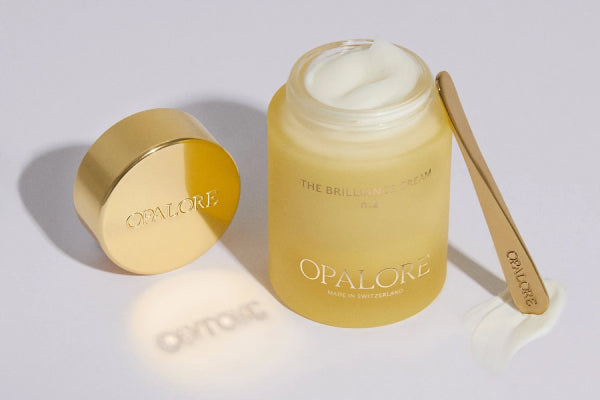
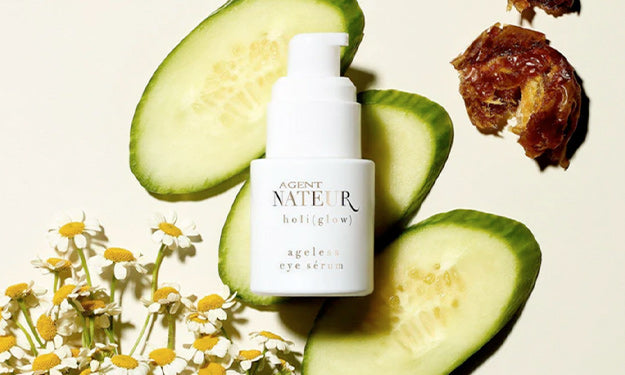
Fast-absorbing, silky but never greasy: a true dry-oil feel with a glow.
Shop now →
Non-greasy, face-grade body oil with vitamin C and E for soft, supple skin.
Shop now →
Moisture-rich rapeseed oil with lavender, rosemary and orange oils.
Shop now →
Nourishing almond, jojoba and wheat germ oil blend with arnica.
Shop now →For hands and nails, uka Nail Oil 7:15 soothes and moisturises cuticles with a fresh hinoki and yuzu-inspired scent.

Scrub first, oil second
A weekly body scrub helps oil absorb evenly over smooth skin.
Shop body scrubsExplore the full range of natural body oils, body creams and lotions for layering, and our natural bodycare edit. Switching your deodorant too? See our guide to the best natural deodorants. Prefer a bath ritual? Read our guide to Himalayan salt for skin, and for your face, our guide to types of face oil.
Frequently asked questions
What is a dry body oil?
A dry body oil is an oil that absorbs quickly and leaves little or no greasy film, so skin feels soft and satin-smooth within a minute or two. It is still an oil, not a dry product; the name describes how it feels on the skin.
What is the difference between a dry oil and a wet oil?
Dry oils are lighter and absorb fast, which makes them good for daytime and for getting dressed straight away. Wet or rich oils feel heavier, stay on the surface for longer and give more cushioning, which suits very dry skin, massage and night-time use.
Is a dry oil better for dry skin?
Not necessarily. Very dry skin often prefers a richer oil, or a cream followed by oil, because it stays on the surface longer. A dry oil is the better choice if you dislike a greasy feel or want to dress quickly.
Should I use body oil instead of body lotion?
You can, but they do different jobs. Lotions and creams contain water and help hydrate; oils mainly soften and help reduce water loss. Many people get the best result from applying oil to damp skin straight after a shower, or layering oil over a cream on very dry areas.
When is the best time to apply body oil?
Straight after a bath or shower, while skin is still slightly damp. A few drops spread further on damp skin and absorb more evenly. If you use a richer oil, evening is easiest, so it has time to sink in.
Can I use body oil on my hair and nails?
A drop of a light oil can smooth the ends of dry hair, and a little oil massaged into cuticles keeps nails and the skin around them comfortable. Use very small amounts on hair so it does not look greasy, and check the label to see whether the product is designed for it.
Will body oil stain my clothes?
Richer oils can mark fabric if you dress too soon. Dry oils absorb faster, but it is still worth waiting a few minutes and using a little less on areas that touch clothing.


