



The Autumn Skincare Routine That Supports a Healthy Skin Barrier
|
|
Time to read 7 min

|
|
Time to read 7 min
Autumn often reveals the first signs of seasonal dryness: skin feels tight after cleansing, makeup catches around the nose, or a familiar active suddenly stings. Cooler, windier air and indoor heating can reduce the amount of water held in the outer layer of the skin. A useful autumn skincare routine does not need more steps. It needs gentler cleansing, steady hydration and enough moisture to reduce water loss.
The aim is comfort and consistency. If your skin feels sore, cracked, persistently itchy or inflamed, treat that as a health concern rather than a cue to buy stronger skincare and seek advice from a pharmacist, GP or dermatologist.
The change can be gradual. There is rarely a reason to replace an entire routine on the first cold morning. Keep the products that still feel comfortable, then adjust the step that is no longer working. For some people that means changing only the evening cleanser. Others may need a richer night cream, less frequent exfoliation and an extra layer of oil on exposed areas.
The skin barrier is the outermost part of the skin. It helps hold water in and keeps irritants out. When that barrier is short of moisture or repeatedly irritated, skin may feel rough, tight, flaky or unusually reactive. Cool wind, low humidity, long hot showers, harsh cleansing and frequent exfoliation can all add to the problem.
Dermatology guidance consistently centres on a few basics: use lukewarm rather than hot water, choose a mild cleanser, apply moisturiser regularly and avoid products that aggravate the skin. That is the foundation of the routine below.
Dryness, dehydration and irritation can look similar, but the routine may need a different adjustment. Skin that is naturally dry tends to produce less oil and often prefers cream cleansers and richer moisturisers throughout the year. Dehydrated skin lacks water and may feel tight while still becoming shiny. Irritated skin is more likely to sting, burn or react to products that were previously comfortable.
Look at when the discomfort appears. Tightness immediately after washing usually points to a cleanser, water temperature or cleansing frequency that is too aggressive. Flaking that appears after several nights of acids or retinoids suggests that the active routine needs to slow down. Dry patches around the mouth and nose may need a richer cream only in those areas rather than a heavy layer across the whole face.
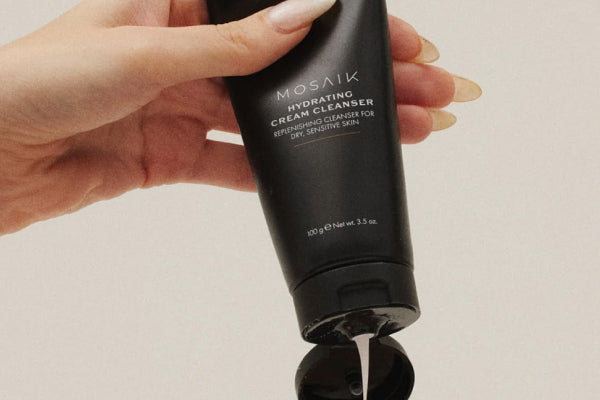
A cleanser should remove sunscreen, makeup and everyday grime without leaving skin tight. If your summer gel cleanser suddenly feels too brisk, move to a cream, milk or balm for at least one cleanse a day. The Ursa Major Making Moves Milky Cleanser is a non-foaming facial milk designed to cleanse while keeping dry or sensitive skin comfortable.
For evening makeup removal, a balm or oil can reduce the need for rubbing. Explore Alyaka's cleansing oils and balms cleansing oils and balms, then follow with a gentle water-based cleanser only if your skin needs a second cleanse.

Dehydrated skin lacks water; dry skin lacks oil. They can occur together, but they are not the same. A hydrating serum can add humectants before moisturiser seals that hydration in. The Ursa Major Forest Water Hyaluronic Acid Serum combines hyaluronic acid with Tremella mushroom and other hydrating ingredients. Apply it to slightly damp skin, then follow promptly with moisturiser.

A richer cream can be useful when skin feels tight by midday or after cleansing. Ursa Major Golden Hour Recovery Cream offers a nourishing cream texture, while Ursa Major Alpine Rich Cream is the richer option for skin that prefers a more substantial layer.
Use enough product to remove the feeling of tightness, but do not assume that the thickest cream is right for everyone. Combination or congestion-prone skin may prefer a lighter moisturiser in the morning and a richer one only on dry areas at night.

The two Ursa Major creams suit different preferences. Golden Hour has a nourishing but wearable texture and includes sea buckthorn, blackcurrant, calendula and sunflower. Alpine Rich Cream is the more substantial choice, with plant-derived ceramides, tremella mushroom and emollient botanical ingredients. If you are uncertain, use the richer cream at night first and see whether skin feels comfortable rather than coated the next morning.
Face oil can soften the feel of dry skin and reduce the roughness that appears when the weather changes. It does not replace the water-binding role of a hydrating serum or the balanced formula of a moisturiser. Press two or three drops over moisturiser, or mix one drop into your cream. HoliFrog Caspian Restorative Silk Amino Face Oil is a light option designed to nourish without a heavy finish.

Shorter days do not mean ultraviolet exposure disappears. Keep a broad-spectrum sunscreen as the final step of your morning routine, particularly when using exfoliating acids, retinoids or other products that can make skin more sun-sensitive. Browse Alyaka's sun protection collection and choose a texture you will apply consistently.
Use a cream or milk cleanser, layer a hydrating serum under moisturiser and consider a richer cream at night. A few drops of face oil can soften areas that still feel rough. More product is not always better; apply thin, even layers and give each one time to settle.
Seasonal dehydration can affect oily skin too. Keep cleansing gentle and use hydration without automatically adding a heavy cream everywhere. A lighter moisturiser may be enough across the face, with richer cream only around the cheeks, mouth or any area exposed to wind.
Change one product at a time and favour short ingredient lists that your skin already tolerates. Avoid assuming that natural fragrance or essential oils will suit every sensitive complexion. Patch-test new formulas and stop using any product that causes persistent burning, swelling or a rash.
Do not try to correct dryness by covering the whole face with a very rich oil. Keep treatment products focused on the areas that need them, support the rest of the face with a non-stripping cleanser and comfortable moisturiser, and reduce active frequency if the skin begins to peel or sting.

When skin begins to sting or flake, simplify before adding another treatment. For one or two weeks, reduce strong exfoliating acids, scrubs, high-strength retinoids and frequent clay masks.
Reintroduce one product at a time once skin feels comfortable, rather than restarting everything on the same evening. Patch-test unfamiliar formulas and avoid introducing several active products together. If you use a prescription treatment, follow the advice of your clinician instead of changing it to match a general skincare routine.
Once skin has felt comfortable for at least several days, reintroduce one active product at a lower frequency. For example, use an exfoliating acid once a week rather than returning immediately to every other night. If the same tightness or stinging comes back, pause again and reassess the strength, frequency or combination of products.
The first is over-cleansing because skin feels rough. Roughness is not always dirt or blocked pores, and repeated washing can make it worse. The second is layering several new hydrating products at once, which makes it difficult to identify the cause if irritation follows.
The third is abandoning sunscreen while continuing to use retinoids or exfoliating acids. Another common mistake is treating every dry patch with exfoliation. If flakes come from irritation, scrubbing them away may create a cycle of temporary smoothness followed by more sensitivity. Restore comfort first. Exfoliation can wait until the skin no longer feels tight or sore.
Morning
Evening
Change it when your skin tells you it needs more support. Tightness after cleansing, new flaky areas or increased sensitivity are more useful signals than a fixed calendar date.
Not necessarily. Reduce frequency if skin feels dry or reactive, and avoid layering several exfoliating products in the same routine.
Usually, no. Face oil works best as a final softening layer. A moisturiser contains a broader mix of ingredients that help attract water and reduce moisture loss.
Only if your current moisturiser no longer keeps skin comfortable. You can first use it more generously at night or add a richer cream only to dry areas before replacing it completely.
Yes. Apply a hyaluronic acid serum to slightly damp skin and follow it with moisturiser. The serum supplies a hydrating step, while the cream helps reduce moisture loss from the surface.
Comfort after cleansing may improve quickly once a harsh product is removed, but give a simple routine a few weeks before changing it again. Seek professional advice sooner if dryness is severe, painful, inflamed or persistent.


