






Autumn hair can feel like a contradiction. Your scalp turns oily under hats and scarves while the ends go dry, static and frizzy. Washing both with the same strong shampoo usually makes the imbalance worse. A good autumn hair care routine treats them separately: cleanse the scalp according to build-up, then condition and protect the lengths according to texture and damage.
- Clear summer and styling build-up once, then return to a balanced routine.
- Shampoo the scalp; let the lather rinse through the lengths.
- Condition from mid-lengths down, and use a mask weekly if ends feel rough.
- Protect ends from scarves and collars with a little oil or serum.
- Persistent flakes or itching are a job for anti-dandruff shampoo or a GP, not a cosmetic mask.
Why scalp and lengths need different care
Hair usually arrives in autumn carrying summer with it: sunscreen, salt, chlorine, mineral residue and layers of leave-in styling products. Then the season adds its own pressures. Central heating dries the air, hats trap warmth and oil at the roots, and more frequent blow-drying stresses the ends.
Your scalp is skin. It produces oil, sheds cells and can react to harsh formulas just like your face. Your lengths are not alive in the same way; they cannot repair themselves, so they rely on conditioning and gentle handling. Once you think of them as two different jobs, the routine becomes simple.
Build-up, dryness or damage? Identify the problem first
| Sign | Most likely | What helps |
|---|---|---|
| Roots feel coated or heavy; volume disappears soon after washing; dry shampoo shows | Build-up | An occasional clarifying treatment, then thorough rinsing |
| Scalp feels tight with small, fine flakes after washing | Dryness | Gentler shampoo, cooler water, less scratching |
| Larger flakes with itching that keeps coming back | Possibly dandruff | An anti-dandruff shampoo; a GP if it persists |
| Ends tangle, feel rough or drink up product | Damage or high porosity | Conditioner, a weekly mask and heat protection |
The 5-step autumn hair routine
Clear summer and styling build-up
If your hair feels coated, limp or hard to rinse clean, start with a one-off clarifying treatment rather than switching to a harsh daily shampoo. It is a reset, not a new habit.
Innersense Detox Hair Mask is a clarifying treatment designed to lift build-up before your usual wash. Work it through the areas that feel coated, rinse thoroughly and follow the directions on the pack. If your hair is already brittle or freshly coloured, use less and clarify only when you can feel residue.
Cleanse the scalp, not the lengths
Massage shampoo into the scalp and roots, where oil and residue collect. Let the lather run through the lengths as you rinse instead of piling hair on top of your head and rubbing. Take your time over the rinse, too: leftover shampoo at the hairline, crown or nape is easily mistaken for dryness.
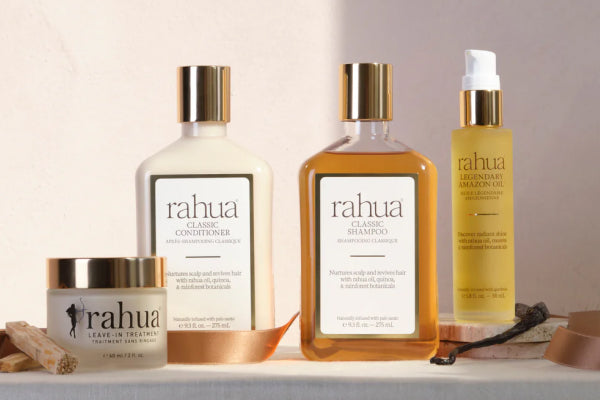
Rahua Rebalance Shampoo is made for oily or build-up-prone scalps. It removes excess oil without stripping, leaving hair clean and lightweight. How often you wash is personal: an oily scalp may need it more often; dry, curly or coily hair usually needs more conditioning and less handling.
Condition from mid-lengths to ends
Conditioner belongs where hair needs slip and softness. Apply it from the mid-lengths down, using less on fine hair and more on thick or porous hair.
Rahua Rebalance Conditioner is the lightweight partner to the shampoo, replenishing moisture without weighing hair down, which makes it a good match for oily roots with drier ends.
Mask according to need
A weekly mask helps dry lengths feel softer, but choose it for the problem you actually have. Apply mainly to the lengths unless the directions include the scalp, comb through gently with fingers or a wide-tooth comb, then rinse well so the finish is soft rather than heavy.
Rahua Hydration Hair Mask pairs Rahua oil with shea butter and is especially suited to curly, thick, coarse or porous hair that needs softness and help with frizz. Yarok Feed Your Moisture Conditioning Masque is another rich option, well suited to wavy, curly or colour-treated hair. Fine hair needs less product and a shorter application time.
Protect the ends between washes
Wind, coat collars and scarves create constant friction at the ends. Smooth a small amount of oil or serum through damp or dry lengths, concentrating on the oldest sections. One or two drops warmed between the palms is plenty for fine hair; thick or coily hair can take more, but add it gradually.
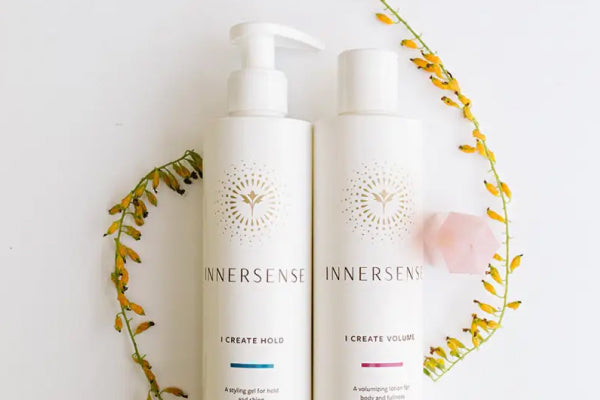
Innersense I Create Shine is a lightweight, silicone-free glossing serum that absorbs quickly and suits all hair types. Keep it on the lengths and away from the roots.

A once-in-a-while reset for coated, limp hair.
Shop now →
Balancing shampoo for oily or build-up-prone scalps.
Shop now →
Lightweight moisture that does not weigh hair down.
Shop now →
Rich weekly mask for thick, curly or porous hair.
Shop now →
Deep-conditioning masque for wavy or coloured hair.
Shop now →
Silicone-free shine serum for the ends.
Shop now →
Protect hair from indoor heat and outdoor weather
Dry indoor air makes static and roughness more noticeable, while damp outdoor air lifts frizz. Conditioner, a suitable leave-in and gentle handling help far more than extra brushing or stronger shampoo.
If you blow-dry more often in autumn, use heat protection and keep the dryer moving rather than holding it over one section. Dry the roots before the ends and stop as soon as hair is dry: extra heat on dry lengths adds stress without improving the finish.
How often should you clarify?
Clarify when there is a reason: heavy styling, frequent dry shampoo, hard-water residue or a coated feeling that normal washing does not shift. For many people, once every two to four weeks is enough. Some need it weekly; very dry or colour-treated hair usually needs it less often.
Hard water deserves a special mention in the UK. Mineral residue can leave hair dull, rough and harder to lather. A clarifying treatment helps, but it should never replace regular conditioning. If hair feels clean but unusually dry afterwards, stretch the interval and use a richer mask on the lengths.
Quick routines by hair concern
Oily roots, dry ends
Cleanse the scalp thoroughly, condition only from mid-lengths down, and finish the ends with a little mask or serum.
Dry or itchy scalp (no dandruff)
Turn the water temperature down, avoid scratching and harsh scrubs, choose a gentle shampoo and do not leave dry shampoo on for days. Seek advice if itching persists.
Frizz and static
Prioritise conditioner, a weekly hydrating mask and a small amount of leave-in or oil. Cut friction from rough towels, scarves and over-brushing.
Fine hair that goes flat
Keep masks and oils away from the roots, use smaller amounts and rinse well. Clarify only when build-up is really there.
Curly, coily or porous hair
Prioritise slip and minimise friction. Detangle while conditioner is in, mask when lengths feel rough, and clarify when products stop absorbing or curls lose their shape, then restore moisture.
Colour-treated hair
Choose colour-safe cleansing, keep hot water and clarifying to a minimum, focus masks on the most processed sections and always use heat protection.
Habits that reduce autumn breakage and frizz
- Use warm rather than very hot water.
- Blot wet hair with a soft towel instead of rubbing.
- Detangle from the ends upwards and never force through knots.
- Use heat protection before blow-drying or styling.
- Wash hats and pillowcases regularly to remove oil and product residue.
- Avoid very tight hats and hairstyles that pull at the same spot every day.

Build the rest of your routine from our natural and organic haircare edit, including hair masks and hair oils and serums, or explore the full Rahua and Innersense ranges.
Frequently asked questions
Does cold weather cause dandruff?
Cold weather can make dandruff worse, but flakes have several possible causes, including simple dryness. If dandruff is likely, use a proper anti-dandruff shampoo, and see a GP if symptoms are severe or have not improved after about four weeks.
Should hair oil go on the scalp or the ends?
It depends on the formula. Some oils are made for a pre-wash scalp massage; others, like shine serums, are designed only for lengths and ends. Follow the product directions and keep leave-in oils away from the roots if your scalp gets oily quickly.
How often should I clarify my hair?
Only when there is a reason: heavy styling, frequent dry shampoo, hard-water residue or a coated feeling normal washing does not shift. For many people that is every two to four weeks. Very dry or colour-treated hair usually needs it less often.
Can I use a hair mask every wash?
Most people do not need to. Start once a week or as the product directs, then adjust depending on thickness, porosity and how easily your hair is weighed down.
How do I know if my hair needs moisture or clarifying?
Coated, limp or hard-to-rinse hair usually needs clarifying. Rough, tangly or very frizzy hair usually needs conditioning. You can need both; clarify first, then restore softness with conditioner or a mask.
Does hard water affect hair?
It can. Minerals in hard water can build up on hair, leaving it dull, rough and harder to lather. A periodic clarifying treatment followed by a good conditioner helps. Large parts of England, particularly the south and east, have hard water.
Should I wash my hair more often when wearing hats?
Only if your scalp becomes oily, uncomfortable or coated. Wash hats regularly and cleanse according to how your scalp feels rather than a fixed seasonal schedule.


