







Niacinamide is the ingredient people reach for when skin has several small problems at once: pores that look larger by the afternoon, patches of redness, an uneven tone, a barrier that never quite feels settled. It is a form of vitamin B3, it suits almost every skin type, and it plays well with most other actives. This guide answers the questions people actually ask — what niacinamide does, how to use it, which strength to choose and what to pair it with — so you can add it to your routine without guesswork.
- Niacinamide (vitamin B3) supports the skin barrier and helps pores, redness, oiliness and uneven tone look better over time.
- Start with 2–5%; higher strengths are not automatically more effective and are more likely to tingle.
- Apply it after cleansing and before moisturiser, morning, evening or both.
- It layers well with retinol, vitamin C, hyaluronic acid, peptides and SPF.
- Give it eight to twelve weeks before you judge the results.
What is niacinamide?
Niacinamide, sometimes listed as nicotinamide, is a water-soluble form of vitamin B3. In skincare it is used topically, in serums, moisturisers, toners, cleansers and even sunscreens. On an ingredients list (INCI) you will simply see “Niacinamide”; the higher it sits in the list, the more of it the formula contains.
Its popularity is not just a trend. Niacinamide is one of the better-researched cosmetic ingredients, it is stable in most formulas, and it is usually well tolerated even by skin that dislikes stronger actives such as acids or retinoids. That combination — useful, gentle and easy to layer — is why you find it in so many products, sometimes as the hero ingredient and sometimes as a supporting one.
One point that confuses people: niacinamide is not the same as niacin (nicotinic acid), the form of vitamin B3 known for causing a hot flush when taken as a supplement. Topical niacinamide does not work that way, although very high concentrations can cause temporary redness in some people (more on that below).
What does niacinamide do for skin?
Niacinamide is best understood as a balancing ingredient rather than a dramatic one. It will not resurface skin like an exfoliating acid or renew it like a retinoid. What it does is support the way skin behaves day to day, and that shows up in several places at once.
It supports the skin barrier
Research suggests niacinamide helps skin produce more of its own barrier lipids, including ceramides. A stronger barrier holds on to water better and is less easily irritated, which is why niacinamide often makes a routine feel more comfortable, particularly in winter or alongside retinoids.
It helps skin look less oily and pores look smaller
Niacinamide cannot change the actual size of a pore, but skin that is less shiny and better hydrated makes pores look less obvious. This is one of the reasons combination and oily skin types like it.
It helps tone look more even and redness less visible
Over several weeks, niacinamide can help dull patches and uneven tone look more even, and a calmer barrier means less visible redness. It works gently, so it is a sensible first step for uneven tone if stronger brightening ingredients have irritated you in the past.
| What you notice | What niacinamide can help with | What to expect |
|---|---|---|
| Shine by midday, pores more visible on the nose and cheeks | Skin looking less oily; pores looking less obvious | A gradual change over 8–12 weeks, not overnight |
| Patchy, uneven tone or dull areas | Tone looking more even and brighter | Steady improvement with daily SPF; deep pigmentation needs more than one ingredient |
| Redness around the nose and cheeks | Redness looking less visible as the barrier settles | Persistent flushing or redness needs a professional opinion |
| Tightness and stinging with actives | Barrier support so retinoids and acids feel more comfortable | Often noticeable within a few weeks |
| Occasional blemishes | A calmer, less oily-looking complexion | A supporting step, not a medical acne treatment |
Which niacinamide strength should you choose?
This is where marketing and evidence part ways. Much of the published research on topical niacinamide uses concentrations of around 2–5%, and those strengths are well tolerated by most skin types. Serums with 10%, 15% or even 20% are widely sold, but a bigger number is not a guarantee of bigger results — and at higher strengths some people notice tingling, redness or a feeling of irritation, which is the opposite of what niacinamide is meant to do for the barrier.
- New to niacinamide, sensitive or dry skin: 2–5%. You can use it twice a day.
- Oily or combination skin that tolerates actives well: 5% is still the sensible starting point; move up only if your skin is comfortable and you want a stronger product, not because the number looks more impressive.
- Using several products that contain it: remember that niacinamide in your moisturiser and sunscreen adds up. You rarely need a high-strength serum on top.
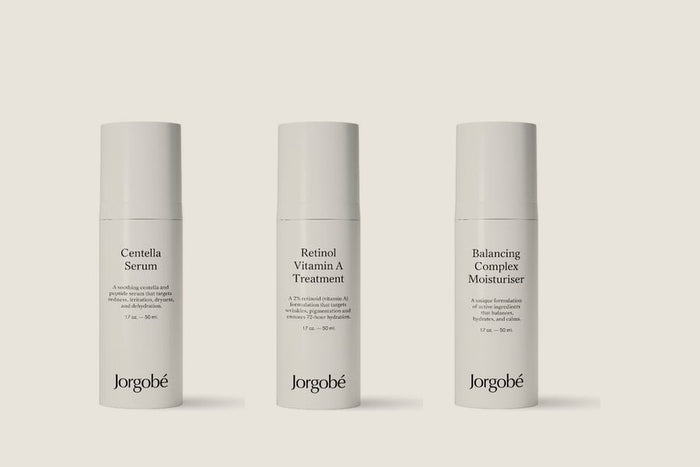
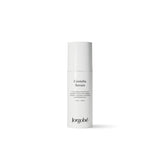
The Jorgobé Niacinamide Serum is a good example of the “enough, not more” approach: it uses 5% niacinamide and pairs it with hyaluronic acid, betaine and allantoin in a fragrance-free gel-cream.
How to use a niacinamide serum
Niacinamide is water-based, so it goes on after cleansing and before anything richer. Here is the order that works for most routines.
Cleanse gently
Use a cleanser that leaves skin comfortable, not tight. Pat skin dry, or leave it very slightly damp if your serum also contains hydrating ingredients such as hyaluronic acid.
Mist or toner (optional)
If you use a hydrating toner or mist, apply it first and let it settle. Skip anything strongly exfoliating on the nights you are getting used to a new serum.
Apply the niacinamide serum
Two or three drops (or one pump) is enough for the face; add one more for the neck. Press it in rather than rubbing, and give it a minute to absorb. If you use another water-based serum, apply the thinner one first.
Moisturise
Follow with your usual moisturiser to seal in hydration. In the evening this is also where a face oil or a balm can go, as the last step.
Finish with SPF in the morning
Niacinamide does not make skin sun-sensitive, but daily broad-spectrum SPF is what protects any improvement in tone. Some mineral sunscreens already contain niacinamide, which is an easy way to get a second dose.
How often? Once or twice a day. If you are starting a high-strength product or have very reactive skin, begin with every other evening for two weeks, then build up.
What to pair niacinamide with
Niacinamide’s biggest advantage is how easily it fits around other ingredients. This table sums up the pairings people ask about most.
| Pair it with | Verdict | How to layer |
|---|---|---|
| Retinol or retinal | A good pairing; niacinamide can make retinoids feel more comfortable | Evening: niacinamide first, retinoid second, then moisturiser |
| Vitamin C | Fine for most people; the “cancel each other out” idea is outdated | Same routine, or vitamin C in the morning and niacinamide at night if you flush |
| AHA or BHA exfoliants | Compatible, but go slowly with strong acids | Use the acid first, wait a few minutes, then niacinamide; alternate nights if skin stings |
| Hyaluronic acid | Easy pairing for hydration | Hyaluronic acid on damp skin, then niacinamide, then moisturiser |
| Peptides | Easy pairing; both are gentle | Thinnest texture first; many formulas already combine them |
| Bakuchiol | Easy pairing for sensitive skin | Niacinamide first, bakuchiol serum or oil after |
| Zinc | A common combination for oily, blemish-prone skin | Often in one formula; no special timing |
| Mineral SPF | Ideal in the morning | Last step; some sunscreens contain niacinamide already |
Can you use niacinamide with retinol?
Yes, and it is one of the most useful pairings in skincare. Retinoids can cause dryness and flaking while skin adjusts, and niacinamide’s barrier support helps keep things comfortable. Apply niacinamide first in the evening, then your retinoid, then moisturiser. If you prefer one step, some serums combine the two: the de Mamiel Gravity Fix Retinal Serum contains biofermented retinal with niacinamide and ceramides. For a fuller comparison of retinoids, read our guide to retinal vs retinol.
Can you use niacinamide with vitamin C?
For most people, yes. The warning against mixing them dates back to older laboratory work with unstabilised ingredients and heat, which does not reflect how a modern serum behaves on your face. Layer them in the same routine, thinnest texture first. If you notice temporary flushing, simply split them: vitamin C in the morning for antioxidant support under SPF, niacinamide in the evening. The ARENCIA Holy Hyssop Serum 30 already brings niacinamide together with a vitamin C derivative and hyaluronic acid. Our explainer on vitamin C serum covers the rest.
Can you use niacinamide with AHA and BHA?
Yes, but keep an eye on your skin. Exfoliating acids are the products most likely to irritate, so if you are building a new routine, use them on separate evenings from a new niacinamide serum until you know how your skin responds. Once settled, acid first, a few minutes’ pause, then niacinamide.
And with bakuchiol or peptides?
Both are gentle and pair easily. If you are curious about bakuchiol as a plant-based alternative to retinol, our article on bakuchiol and niacinamide explains how the two work together, and our peptide guide covers how to add a peptide serum.

Niacinamide serums, creams and SPF
Formulas with niacinamide as the hero or a supporting ingredient, from 5% serums to mineral sunscreens.
Shop niacinamide skincareIs niacinamide good for acne-prone skin?
It can be a helpful part of a routine for blemish-prone skin. Niacinamide is gentle, it helps skin look less oily and less red, and it does not dry skin out the way some spot products do. Products for oily and blemish-prone skin often combine it with zinc: the Cosmetics 27 Clarifying Serum Pure 27 lists niacinamide as its second ingredient, alongside zinc gluconate, in an ultra-light fluid.
What niacinamide is not is a medical treatment for acne. Pair it with a gentle cleanser, a non-comedogenic moisturiser and daily SPF, and be patient. Browse our blemish and acne skincare for more options.
Who niacinamide may not suit
Niacinamide is one of the most widely tolerated actives, but “well tolerated” is not the same as “suits everyone”. A minority of people notice tingling, redness, itching or small bumps, most often with high-strength serums or when several niacinamide products are layered at once.
- Very reactive skin or rosacea: choose 2–5%, fragrance-free, and patch-test on the jaw for a few days first.
- Flushing after application: drop to a lower strength, use it once a day, or keep it apart from vitamin C.
- Breakouts that appear after starting a new serum: the culprit may be another ingredient or the texture. Change one product at a time so you can tell.
- Prescription skincare: if you use a prescribed acne or rosacea treatment, check with your prescriber before adding new actives.
The best niacinamide is the one your skin barely notices: no sting, no flush, just steady, quiet improvement.
Our niacinamide edit
Every product below contains niacinamide (we checked the ingredients list of each one) and was in stock when we published this guide. They cover different jobs: a classic serum, a pairing with vitamin C, a pick for blemish-prone skin, a lightweight serum, a retinoid pairing and a sunscreen.

New at Alyaka. 5% niacinamide in a fragrance-free gel-cream for pores, tone and redness.
£23
Shop now →
Jelly serum with niacinamide, a vitamin C derivative and hyaluronic acid.
£24
Shop now →
Ultra-light fluid for blemish-prone skin: niacinamide with zinc.
£70
Shop now →
Oil-free serum with niacinamide, panthenol and a peptide.
£32
Shop now →
Retinal and niacinamide in one evening serum, with ceramides.
£132
Shop now →
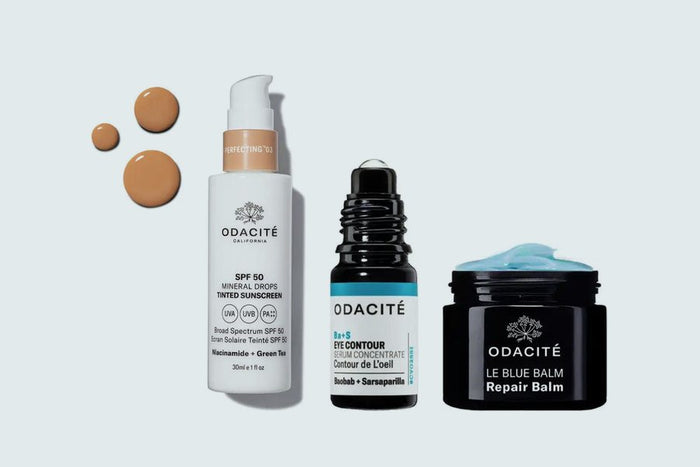
New at Alyaka. Mineral SPF50 with niacinamide and hyaluronic acid.
£41
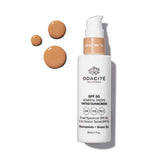
Shop now →Who each one is for: the Jorgobé serum is the simplest place to start for most skin types and sits well under make-up. The ARENCIA serum suits dull, dehydrated skin that wants niacinamide and vitamin C in one step. The Cosmetics 27 fluid is made for skin whose balance has been disrupted, with blemishes, redness and excess sebum. The Grown Alchemist serum is a light, oil-free layer under moisturiser, morning and evening. The de Mamiel serum is for experienced retinoid users who want fewer steps at night. And the Le Rub Glow Drops are a fragrance-free, non-comedogenic mineral SPF50 with a soft tint — a morning dose of niacinamide while you protect your skin. Prefer a balm? The Mosaik Face+ Balm lists niacinamide among its key ingredients and glides on as a final step over dry areas.
Morning and evening routines with niacinamide
- Gentle cleanse or rinse.
- Vitamin C serum (optional).
- Niacinamide serum.
- Moisturiser.
- Broad-spectrum SPF — one with niacinamide counts as a bonus, not a replacement for your serum.
- Remove SPF and make-up; second cleanse if needed.
- Niacinamide serum.
- Retinoid on retinoid nights, or an exfoliant on acid nights — not both on the same night.
- Moisturiser; face oil or balm last on dry areas.
Oily or combination skin
Niacinamide morning and evening, a light moisturiser and a fluid SPF. Add a BHA a few evenings a week once your skin is settled.
Dry or sensitive skin
A 2–5% fragrance-free serum once a day, layered over hyaluronic acid and under a richer cream. Build to twice a day only if skin stays comfortable.
Common niacinamide mistakes
- Choosing the highest percentage. More is not better; 2–5% is where most people should start.
- Doubling up without noticing. A niacinamide toner, serum, moisturiser and SPF in one routine can add up to more than your skin likes.
- Judging it too early. Pores, tone and redness change over weeks, not days.
- Starting several new products at once. If anything irritates, you will not know which one it was.
- Skipping sunscreen. Any improvement in tone is easily undone by daily UV.

Serums for every step of your routine
Pair niacinamide with hydrating, brightening and renewing serums chosen for your skin.
Shop face serumsReady to try it? Start with our niacinamide skincare edit, explore retinol and retinol alternatives and hyaluronic acid skincare to pair with it, find a mineral SPF for the morning, or see what is new in at Alyaka.
Frequently asked questions
What does niacinamide do for your skin?
Niacinamide is a form of vitamin B3 that supports the skin barrier and helps skin look more balanced: pores can look smaller, tone more even, redness less visible and oiliness better controlled. It works gradually, so judge it after eight to twelve weeks of steady use rather than after a few days.
Can I use niacinamide with retinol?
Yes. Niacinamide and retinol are a well-tolerated pairing, and niacinamide’s barrier support can make a retinoid routine feel more comfortable. Apply niacinamide first and retinol after it in the evening, or use a formula that already contains both. Introduce the retinoid slowly and wear SPF every morning.
Can I use niacinamide with vitamin C?
Yes. The old advice to keep them apart came from early lab work with unstable ingredients in conditions that do not reflect a modern serum on your skin. Most people can layer them in the same routine; if your skin flushes or tingles, use vitamin C in the morning and niacinamide in the evening.
Is niacinamide good for acne-prone skin?
It can be a helpful supporting step for blemish-prone skin because it is gentle and helps skin look less oily and less red. It is not a medical treatment for acne. If you have painful, widespread or scarring spots, speak to a pharmacist or GP.
What percentage of niacinamide should I use?
Most people do well with 2–5%, the range used in much of the published research. Higher strengths of 10% or more are widely sold, but they are not automatically better and are more likely to cause tingling or redness in sensitive skin.
Should I use niacinamide in the morning or at night?
Either works, because niacinamide does not make skin more sensitive to the sun. Many people use it twice a day. If you only use it once, choose the routine where it layers most comfortably with your other products.
How long does niacinamide take to work?
Skin can feel more comfortable within a couple of weeks, but changes in the look of pores, tone and redness usually take eight to twelve weeks. Take a photo in the same light before you start so you can compare fairly.
Product details and availability checked on 11 November 2026. This article is for general information and is not medical advice.


