




Peptides in skincare are short chains of amino acids, the same building blocks your skin uses to make collagen and elastin. In a serum or cream, they act more like messengers than builders: different peptides are used to help skin look firmer and smoother, support hydration and soften the look of expression lines. They are one of the gentlest active ingredients you can add to a routine, and they work best alongside, not instead of, the basics. Here is how they work, which type does what, and how to use a peptide serum with retinol, vitamin C and acids. You will find our edit in peptide skincare.
- Peptides are short amino-acid chains that signal or support skin rather than replace collagen.
- There are four main types: signal, carrier (including copper peptides), neurotransmitter-affecting and enzyme-inhibiting.
- They are gentle and suit most skin types, including sensitive skin and people who cannot tolerate retinoids.
- Apply a peptide serum after cleansing and before moisturiser, once or twice a day, and keep SPF in the morning.
- They pair well with retinol and hyaluronic acid; separate copper peptides from pure vitamin C, and strong acids from peptide serums.
What peptides are and how they work
Proteins such as collagen, elastin and keratin are long chains of amino acids. A peptide is a short chain, typically just two to around fifty amino acids. That small size is the point. A whole collagen molecule is far too large to pass into the skin, which is why collagen in a cream mainly works as a moisturising film. A peptide is small enough to reach the upper layers of the skin and interact with it.
Your skin makes plenty of peptides on its own. When collagen breaks down, the fragments it leaves behind act as signals that prompt skin to repair. Many cosmetic peptides are designed to imitate those fragments, or to borrow other natural roles: carrying trace minerals, calming muscle signalling or slowing the enzymes that break collagen down. Because each peptide has its own sequence, “peptides” on a label tells you less than the specific names in the ingredient list.
Peptides are messengers, not miracle workers: steady, gentle support that rewards patience.
The four main types of peptides
Cosmetic scientists usually group peptides by what they are designed to do. Most well-formulated products combine several types, so this table is a guide to reading labels rather than a menu to pick one from.
| Type | What it is designed to do | Names you may see on the label |
|---|---|---|
| Signal peptides | Mimic collagen fragments to encourage skin to keep up its own collagen and elastin, for a firmer, smoother look | Palmitoyl tripeptide-1, palmitoyl tetrapeptide-7, palmitoyl pentapeptide-4 |
| Carrier peptides | Deliver trace minerals such as copper to the skin; copper peptides are linked to skin renewal and a more even-looking surface | Copper tripeptide-1 (GHK-Cu) |
| Neurotransmitter-affecting peptides | Aim to soften the look of expression lines by reducing muscle signalling at the surface; far milder than injectables and not a substitute | Acetyl hexapeptide-8, pentapeptide-18 |
| Enzyme-inhibiting peptides | Slow the enzymes that break down collagen; many are plant-derived and often double as antioxidants or hydrators | Soy, rice, pea or silk peptides; hydrolysed proteins |
You will also see newer terms such as biomimetic peptides, which simply means peptides designed to imitate those the body makes, and multi-peptide complexes, where a brand blends several types under one trade name. Neither is better by default; the full formula, concentration and texture matter more than the label.
What the evidence says, honestly
Peptides have a solid scientific rationale and a good safety record, but the clinical evidence is thinner than for retinoids, vitamin C or sunscreen. Most studies are small, last a few weeks to a few months and are often funded by the companies that make the ingredient. Results tend to be modest and gradual: softer-looking fine lines, skin that feels more hydrated and looks a little firmer and smoother.
That is not a reason to skip them. It is a reason to set realistic expectations. Peptides are a sensible addition when you want support without irritation, when retinoids do not suit you, or when you want to give an existing routine a gentle boost. They do not replace daily SPF, which remains the single most effective step against visible sun-related ageing.
Who peptides suit, and who should start elsewhere
| Your situation | Are peptides a good fit? | What to do |
|---|---|---|
| Early fine lines, skin losing a little bounce | Yes, a good first active | A peptide serum morning or night, with SPF every day |
| Sensitive or easily irritated skin | Usually yes; peptides are rarely irritating | Choose fragrance-free formulas and patch-test first |
| Retinoids make you dry or flaky | Yes, as a gentler option or partner | Use peptides daily and a retinoid only on nights skin tolerates |
| Dry, tight, dehydrated skin | Yes, as part of a richer routine | A peptide cream, or serum plus a nourishing moisturiser |
| Mainly breakouts or blackheads | Peptides will not address these on their own | Focus on gentle cleansing and suitable treatments first |
| Dark spots and uneven tone | Only as a supporting step | Daily SPF first; vitamin C or niacinamide are more targeted |
Peptide serum, cream or eye cream?
Peptides work in any leave-on texture. Choose the format by your skin type and how many steps you want, not by the peptide count on the box.
Peptide serum
Light, fast-absorbing and easy to layer. Best for normal, combination and oily skin, or if you already love your moisturiser and want to add one step. Apply to clean skin before cream.
Peptide cream
Combines peptides with emollients that soften and help hold water in. Best for dry or mature skin and anyone who wants a short routine: one product does two jobs.
Peptide eye cream
Formulated for the thinner skin around the eyes, usually with richer emollients and fragrance-free bases. Tap a rice-grain amount along the orbital bone, morning or night.
Beyond the face
Peptides also appear in lip balms, neck creams and lash serums. The same rules apply: daily, consistent use and realistic expectations.
How to use a peptide serum
Peptides are forgiving, so the routine is simple. The order below is the one that matters; frequency is once or twice a day, and consistency counts for more than quantity.
Cleanse gently
Use a cleanser that leaves skin comfortable rather than tight. A stripped, irritated barrier makes every active harder to tolerate.
Apply the peptide serum to clean skin
Two to three drops, or one pump, pressed over the face and neck. If you use a separate acid or retinoid in the same routine, see the pairing rules below for the order.
Seal in with moisturiser
Follow within a minute or two. If your moisturiser also contains peptides, that is fine: there is no known downside to layering them.
Finish with SPF in the morning
Broad-spectrum sunscreen protects the collagen your peptides are meant to support. Explore our natural suncare.
Give it time: hydration often feels better within days, but judge any change in firmness or fine lines after 8 to 12 weeks of daily use. Take a photo in the same light on day one so you can compare honestly.

Peptide skincare at Alyaka
Serums, creams and eye creams with peptides, from gentle multi-peptide serums to rich barrier creams.
Shop peptide skincareHow to pair peptides with retinol, vitamin C and acids
This is where most confusion sits, and most of it is overcautious. Peptides get on with nearly everything. There are two layering situations worth planning around.
| Pairing | Can you combine them? | How to do it |
|---|---|---|
| Peptides + retinol or retinal | Yes, a well-matched pair | Evening: retinoid on dry skin, then a peptide moisturiser. Or peptides in the morning, retinoid at night |
| Peptides + vitamin C | Yes, with one exception | Separate copper peptides from pure vitamin C (L-ascorbic acid): vitamin C in the morning, copper peptides at night |
| Peptides + AHA or BHA exfoliants | Use on different nights or times | Very acidic products may break some peptides down; exfoliate on alternate evenings and use peptides on the others |
| Peptides + niacinamide | Yes | Layer freely, thinnest texture first; many peptide serums already contain niacinamide |
| Peptides + hyaluronic acid | Yes, an easy partnership | Hyaluronic acid on slightly damp skin, peptide serum, then moisturiser |
One nuance on acids: a product formulated with both peptides and an acid, such as a night cream that combines peptides with lactic acid, has been designed so the two are stable together. The “separate them” advice applies to layering two separate products. If you are new to retinoids, our retinal vs retinol guide explains which to start with, and our hyaluronic acid guide covers the hydration step.
Which do people in Britain actually look for? Our data study, Peptides vs Retinol: What Britain Searched for in Skincare in 2026, shows UK searches for peptide serum have been ahead of retinol serum every week since late August 2026.
Peptide skincare we recommend
Every product below contains peptides, is in stock and was checked against its product description on 14 October 2026. Two are new at Alyaka.

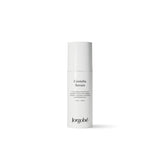
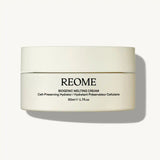
New at Alyaka. Five peptides with ceramides, hyaluronic acid and niacinamide in a light, fragrance-free gel-cream.
£40
Shop now →
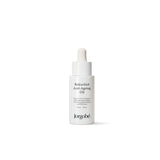
Concentrated peptide and carnosine serum to support the barrier for a restored, plumper look.
£84
Shop now →
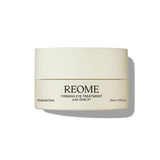
New at Alyaka. Biomimetic peptides and NAD+ in a rich, fragrance-free cream that absorbs without greasiness.
£120
Shop now →
Ultra-nourishing peptide cream for dry skin that needs barrier support.
£75
Shop now →
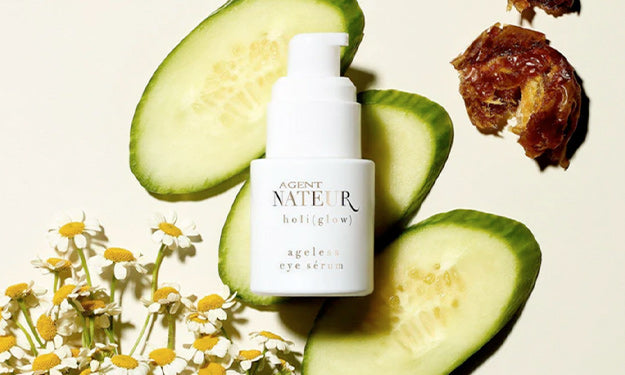
Peptides and plant emollients to smooth the look of fine lines under the eyes.
£49
Shop now →
Night cream pairing peptides with lactic acid and antioxidants, so you need no separate acid.
£85
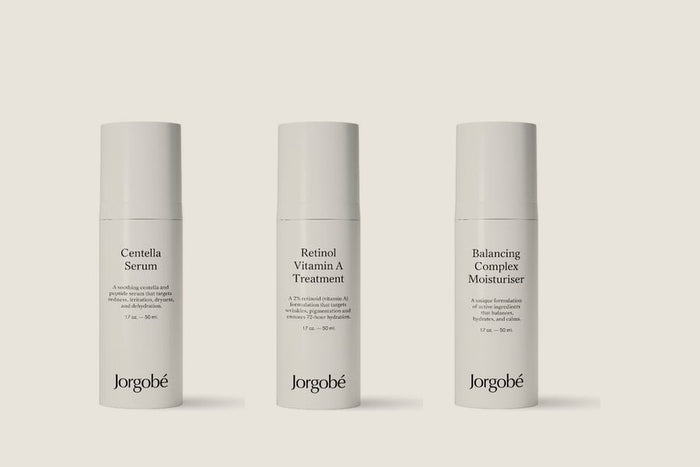
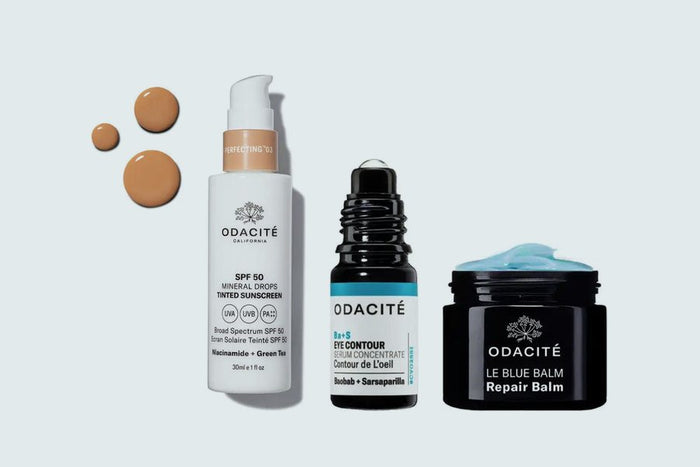
Shop now →How to choose. If you want one step to add to an existing routine, start with the Jorgobé Collagen Peptide Serum: it is fragrance-free and suitable for all skin types. For a more concentrated serum with a focus on barrier support, the Odacité Derm-Restore Super Serum is the step up. Dry skin that prefers fewer layers does well with a peptide cream: the Odacité Bioactive Renew Supreme Cream is the richest here, while the Odacité Cellular Infusion Cream feels lighter and cooling. If you would rather combine peptides and a gentle acid in one night product, the Made of More Night Soufflé does both. Want to try a peptide night cream before committing? The 12ml Grown Alchemist Regenerating Night Cream is a travel size. For lips, the Jorgobé Multi-Peptide Lip Balm is fragrance-free and comfortable overnight.
Common peptide mistakes
- Expecting injectable-style results. Peptides that target expression lines are far milder than cosmetic injections. Judge them on gradual, everyday improvements.
- Giving up after two weeks. Skin renews slowly. Eight to twelve weeks of daily use is a fair trial.
- Layering a strong acid straight before a peptide serum. Use acids and peptide serums at different times instead.
- Buying on peptide count alone. “Ten peptides” says nothing about concentration or the rest of the formula. Choose a texture and base your skin likes.
- Skipping sunscreen. UV breaks down collagen faster than any serum can support it. SPF is the step that protects your investment.
- Adding several new actives at once. If irritation follows, you will not know the cause. Introduce one product every week or two.
A simple peptide routine for morning and evening
- Gentle cleanse or rinse.
- Vitamin C serum, if you use one (not with copper peptides).
- Peptide serum.
- Moisturiser.
- Broad-spectrum SPF.
- Cleanse, removing SPF and make-up.
- Retinoid or exfoliant on the nights you use them.
- Peptide serum on the other nights.
- Moisturiser or peptide cream; eye cream if you use one.

Just arrived: new peptide skincare
Fragrance-free peptide serums, creams and lip care from brands that are new to Alyaka this season.
Shop new inReady to build your routine? Start with our peptide skincare edit, then browse natural face serums, natural moisturisers, retinol and retinol-alternative skincare and eye care.
Frequently asked questions
What do peptides do for your skin?
Peptides are short chains of amino acids. In skincare, different peptides are used to help skin look firmer and smoother, to support hydration and the skin barrier, or to soften the look of expression lines. Results are gradual and usually modest, so think of them as a steady, gentle support rather than a quick fix.
Can I use peptides with retinol?
Yes. Peptides and retinoids are a common pairing because peptides are gentle and do not add irritation. Use them in the same evening routine (retinoid first on dry skin, then a peptide moisturiser), or keep the retinoid for night and the peptide serum for the morning.
Can I use peptides with vitamin C?
Generally yes. The one combination worth separating is a copper peptide with a pure vitamin C (L-ascorbic acid) serum, because copper can make vitamin C less stable. A simple fix is vitamin C in the morning and copper peptides at night.
What should you not mix with peptides?
Avoid layering a separate strong exfoliating acid (AHA or BHA) straight before a peptide serum, as very acidic products may break some peptides down. Use acids on different nights or at a different time of day. Products formulated with both, such as a peptide night cream with lactic acid, are designed to be stable together.
How long do peptides take to work?
Hydration and softness can feel better within days, because most peptide products also contain moisturising ingredients. Any change in the look of firmness or fine lines takes longer: give a product 8 to 12 weeks of daily use before judging it.
Are peptides better than retinol?
They do different jobs. Retinoids have the largest body of evidence for visible signs of ageing but can cause dryness and irritation. Peptides have smaller studies behind them but are very well tolerated. Many people use both, or choose peptides when retinoids do not suit them.
Are peptides suitable for sensitive skin?
Peptides themselves are rarely irritating, which is why they are popular for sensitive skin. Check the rest of the formula for fragrance or essential oils if your skin reacts easily, patch-test new products and introduce one new product at a time.
Product details and availability checked on 14 October 2026. This article is for general information and is not medical advice.


