


Pink Himalayan salt has moved from the kitchen to the bathroom shelf, sold as bath salts, scrubs and soaks. So what are the real Himalayan salt benefits for skin? Used as a body scrub, it buffs away dry, flaky skin and leaves it feeling smoother. Dissolved in a warm bath, it turns a soak into a pleasant ritual. Most of the bigger claims you will read online, from detoxing skin to treating acne, are not backed by good evidence. Here is how to get the genuine benefits without drying out or irritating your skin.
- Himalayan salt is a physical exfoliant: as a scrub it smooths rough, dry body skin.
- In a bath it is mainly a relaxing ritual; evidence for skin or health benefits is limited.
- It is mostly sodium chloride, like table salt. The pink colour comes from traces of iron oxide.
- Use it on the body, not the face, and never on broken, shaved or inflamed skin.
- Always follow with a body oil or moisturiser: salt and hot water can leave skin dry.
What Himalayan salt is (and why it is pink)
Himalayan salt is rock salt mined in Pakistan, mostly from the Khewra mine in the Salt Range of Punjab. It formed from ancient seawater that evaporated millions of years ago. Chemically it is overwhelmingly sodium chloride, the same compound as ordinary table salt. Its pink to orange tint comes from small traces of minerals, mainly iron oxide.
You will often read that it contains “84 minerals”. Many of those are present only in tiny traces, too small to make a difference to your skin. The things that actually matter for skincare are the size and shape of the crystals, how long they stay on your skin, and what you put on afterwards.
What Himalayan salt can and cannot do for your skin
Here is an honest summary of the most common claims, so you know what to expect from a salt bath or scrub.
| Claim | What we can say | What it means for you |
|---|---|---|
| Exfoliates and smooths | Yes, when used as a scrub. Salt crystals physically lift dry, dead surface cells | Expect smoother, softer-feeling skin on rough areas such as elbows, knees and heels |
| Relaxing in the bath | A warm soak is relaxing; salt adds texture and ritual | A good wind-down habit. Keep the water warm, not hot |
| Hydrates skin | Not on its own. Salt and long, hot baths can leave skin drier | Moisturise straight after; the oil or cream does the hydrating |
| Detoxifies skin | No good evidence. Skin does not “detox” through a bath | Enjoy the bath for comfort, not as a cleanse of your body |
| Treats acne, eczema or psoriasis | Not a treatment, and salt can sting inflamed or broken skin | Speak to a pharmacist, GP or dermatologist about skin conditions |
| Gives skin 84 minerals | Mostly sodium chloride; other minerals are trace amounts | Choose it for texture and ritual, not for nutrition |
Himalayan salt vs Epsom salt vs sugar
All three are sold for baths and scrubs, but they behave differently on skin. Use this to choose the right one for what you want to do.
| Ingredient | What it is | Best for |
|---|---|---|
| Himalayan salt | Rock salt, mostly sodium chloride; coarse or fine crystals | Body scrubs on rough areas; a textured, scented bath ritual |
| Epsom salt | Magnesium sulfate, not a true table salt | Popular as a bath soak after exercise; evidence for absorption through skin is limited |
| Sugar | Rounded, dissolving crystals | A gentler scrub for drier or more sensitive body skin; the safer choice if salt stings |
If your skin is dry or easily irritated, a sugar or enzyme scrub is usually the more comfortable option. Salt suits normal to oily body skin and very rough areas.

How to take a Himalayan salt bath
A salt bath is simple, but a few details decide whether your skin feels soft or tight afterwards.
Run a warm, not hot, bath
Very hot water strips the natural oils that keep skin comfortable. Aim for water that feels pleasantly warm on the inside of your wrist.
Dissolve the salt fully
There is no clinically established dose. A small handful to about a cupful in a standard bath is a common starting point. Add it under the running tap and swish until no crystals are left on the bottom, so you are not sitting on sharp grains.
Soak for 10 to 20 minutes
Longer is not better. If your fingers wrinkle and skin starts to feel tight, it is time to get out. First time? Start at the shorter end and see how your skin responds.
Rinse and pat dry
A quick rinse with fresh water removes salt residue, which can feel tight or itchy as it dries. Pat skin with a towel rather than rubbing.
Moisturise within a few minutes
Apply a body oil or cream while skin is still slightly damp. This is the step that leaves skin soft. A few drops of body oil spread easily over damp skin and absorb as you dry off.
How to use a Himalayan salt scrub
A salt scrub works best on the body’s rougher areas: elbows, knees, heels, the backs of the arms and the tops of the thighs.
- Use it on damp skin in the shower, after cleansing, so the crystals glide instead of dragging.
- Choose fine grains, and press lightly in small circles for a minute or so per area. Let the salt do the work.
- Once or twice a week is enough. More often and you risk redness and dryness.
- Skip freshly shaved or waxed skin for at least 24 hours, as well as any cuts, scratches or sunburn.
- Rinse, pat dry and moisturise. Most salt scrubs contain oil, but a body oil or cream afterwards keeps skin comfortable.
A simple homemade version
Mix finely ground Himalayan salt with a plant oil you know your skin tolerates, roughly two parts salt to one part oil. Store it in a clean, dry jar and scoop it out with a spoon, so no water gets in. Patch-test on a small area first, and stop if it stings.
Treat salt as a texture, not a treatment: buff gently, rinse, then let a good body oil do the softening.
Face, sensitive skin and who should avoid it
Your face
We would not use salt scrubs on the face. The crystals are hard and sharp-edged, and facial skin is thinner and more reactive than body skin. For the face, use an exfoliant made for facial skin, at the frequency on the label.
Sensitive or dry skin
Choose a sugar or enzyme scrub instead, keep baths short and warm, and moisturise straight away. If a salt bath leaves you itchy or tight, it is not the right ritual for your skin.
Skip salt baths and scrubs on broken, sunburnt, freshly shaved or inflamed skin. If you are pregnant, have a heart or blood pressure condition, or have been told to avoid hot baths, check with your GP or midwife before long, warm soaks. And remember that iodine is added to some table salts but not to Himalayan salt, which matters in the kitchen rather than the bathroom.
Our ready-made alternatives for smoother skin
We do not currently stock a pure Himalayan salt product. If you like the idea of a weekly scrub-and-oil ritual but want something gentler or ready to use, these are our picks, all in stock today.

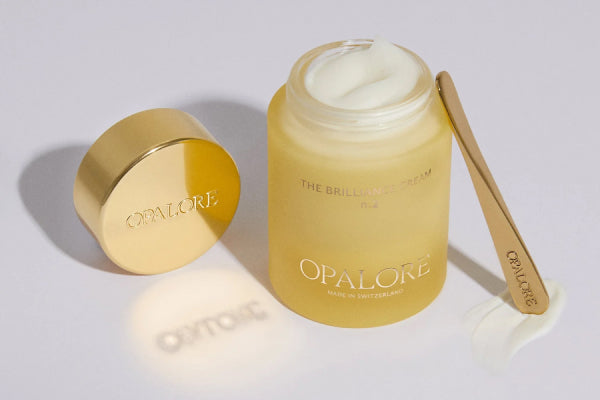
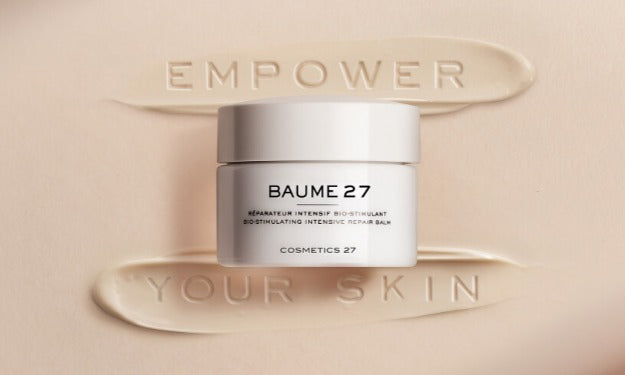
Finely milled apricot kernel powder and alpine plant extracts for a refined, smoother feel.
Shop now →
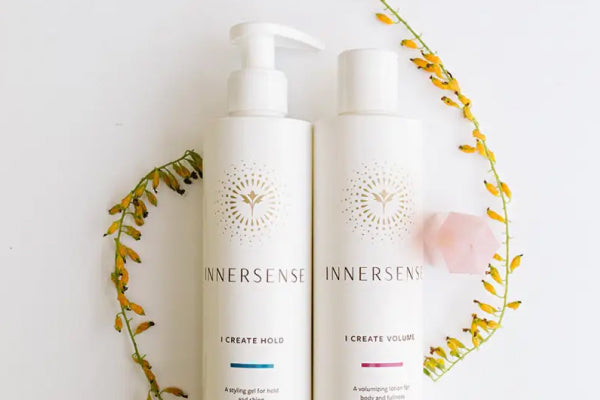
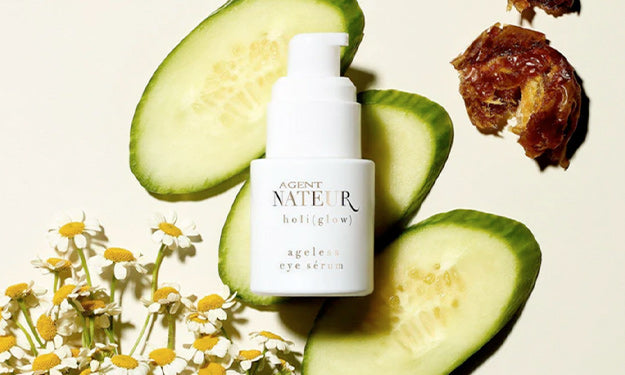
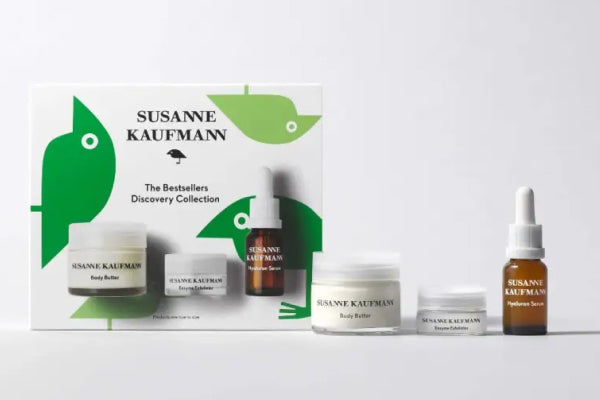
Sugar crystals plus pomegranate and papaya enzymes: physical and enzymatic exfoliation.
Shop now →
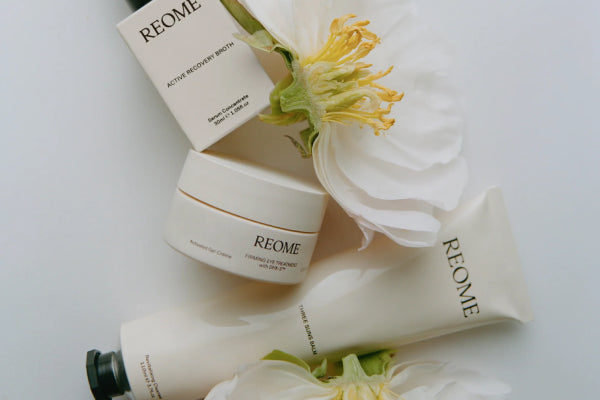
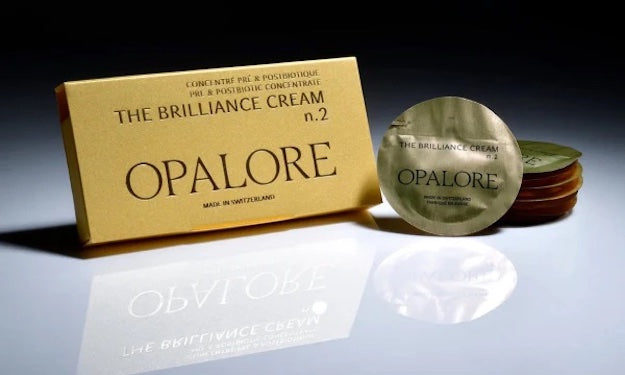
Moisture-rich rapeseed oil and a phytoextract complex for dry skin after bathing.
Shop now →
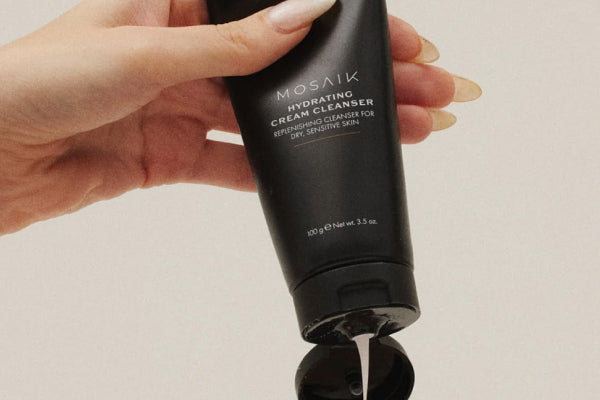
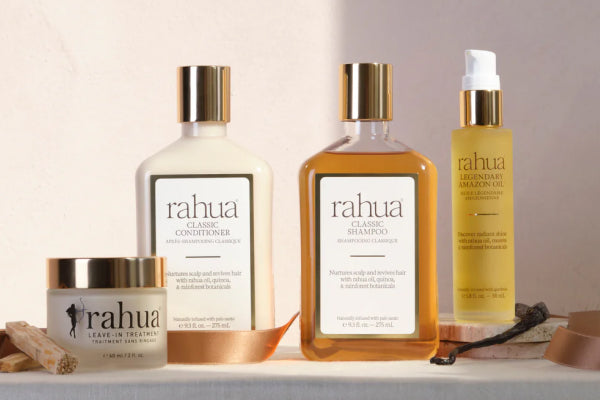
Warming organic body oil with arnica and evening primrose, for all skin types.
Shop now →
Build your own routine with our natural body scrubs, body oils and bath and shower essentials, or browse the full natural bodycare edit. Wondering which oil to choose? Read our guide to dry body oil vs wet oil, and for colder months, our autumn skincare routine.
Frequently asked questions
What are the benefits of Himalayan salt for skin?
Used as a body scrub, Himalayan salt physically buffs away dry, flaky surface cells, which leaves skin feeling smoother. In a warm bath it makes a relaxing ritual, and many people find it pleasant on rough, dry-feeling skin. Claims that it detoxifies skin, treats acne or eczema or feeds skin with 84 minerals are not supported by good evidence.
Is Himalayan salt good for your face?
We would not use it on the face. Salt crystals are hard and sharp-edged, and facial skin is thinner and more reactive than body skin, so a salt scrub can cause redness, stinging and tiny tears. For the face, choose a gentle exfoliant made for facial skin and use it no more than the label suggests.
How much Himalayan salt should I put in a bath?
There is no clinically established dose. A common starting point is a small handful to about a cupful in a standard bath, dissolved fully in warm (not hot) water. Start with less, soak for 10 to 20 minutes and see how your skin feels afterwards.
How often can I use a Himalayan salt scrub?
Once or twice a week on the body is plenty for most people. If skin feels tight, stings or looks red, use it less often or switch to a gentler sugar or enzyme scrub.
Is Himalayan salt better than Epsom salt for a bath?
They are different. Himalayan salt is mostly sodium chloride; Epsom salt is magnesium sulfate. Neither has strong evidence for health benefits through the skin. Choose the one you enjoy, keep the water warm rather than hot and moisturise afterwards.
Can Himalayan salt baths help eczema or psoriasis?
Do not use a salt bath as a treatment. Salt can sting broken or inflamed skin, and the right bathing routine for eczema or psoriasis depends on your skin. Follow the advice of your GP, pharmacist or dermatologist, who may recommend specific emollients and bath products.
Can I make a Himalayan salt scrub at home?
Yes. Mix finely ground Himalayan salt with a plant oil you know your skin tolerates, roughly two parts salt to one part oil, and use it on damp body skin with light pressure. Keep it away from the face, shaved or broken skin, and use a clean spoon so no water gets into the jar.