




Thick, glossy and inexpensive, castor oil has been a beauty-cabinet staple for generations. Here are the real castor oil benefits for women: ten practical beauty uses for brows, lashes, lips, nails, skin and hair, what the evidence does and does not support, and how to use it safely. We will also bust the most common myth: that it makes lashes and brows grow.
- Castor oil is a very thick plant oil, about 90% ricinoleic acid, that softens, adds shine and helps hold in moisture.
- Best uses: brows and lashes (conditioning), lips, cuticles, rough patches, dry hair ends and oil cleansers.
- There is no good evidence it makes lashes, brows or hair grow; it makes them look glossier and better cared for.
- Use small amounts, patch-test first and keep it out of your eyes.
- Never swallow it, or use it to bring on labour, without medical advice.
What castor oil is and what it does
Castor oil is pressed from the seeds of Ricinus communis; on an ingredient list it appears as Ricinus Communis (Castor) Seed Oil. Unlike most plant oils, it is dominated by a single fatty acid, ricinoleic acid. That is what makes it so thick, sticky and glossy.
In beauty products those properties are useful. Castor oil forms a soft, shiny film that helps reduce water loss, conditions hair, and gives lipsticks and glosses their slip and shine. It also helps cleansing oils dissolve make-up. The flip side: on its own it is heavy, so a little goes a long way.
10 beauty uses for castor oil
1. Condition your brows
Brush a tiny amount through brows at night with a clean spoolie. It makes hairs look glossier and helps stop them feeling dry and brittle. It does not make them grow, whatever social media says.
2. Gloss your lashes
Apply the smallest amount to the base of the lashes with a clean brush, well away from the eye itself. Take contact lenses out first, and stop if your eyes sting or look red.
3. Soften dry lips
Castor oil is behind the shine in many lipsticks and glosses. On its own, or in a balm, it softens dry, flaky lips and leaves a glossy finish.
4. Care for cuticles and nails
Massage a drop into each cuticle before bed. It softens the skin around the nail and keeps nails looking healthy and less prone to splitting.
5. Smooth rough patches
Elbows, knees and heels love a rich oil. Apply a little after a bath, over your usual body cream, and wear socks overnight for heels.
6. Boost an oil cleanser
Castor oil helps cleansing oils lift make-up and sunscreen. If you mix your own, keep it to a small share of the blend (around a fifth), as it can feel drying in larger amounts; most people get on better with a ready-made cleansing oil or balm.
7. Tame dry ends
Warm one drop between your palms and smooth it over the very ends of dry hair. It adds shine and helps reduce flyaways. More than a drop will make hair look greasy.
8. Pre-wash scalp massage
Mixed with a lighter oil such as jojoba, castor oil makes a slippery pre-shampoo massage oil. It is heavy, so plan a thorough wash afterwards. Evidence that it helps hair growth is lacking.
9. Add a dewy glow
A drop pressed onto the high points of cheeks over make-up gives a natural sheen. Tinted oils with castor in the formula do this with a hint of colour.
10. Overnight hand and lip treatment
On very cold, dry days, apply a thin layer to lips or the backs of hands before bed for softer skin by morning.
Treat castor oil like a finishing touch, not a main course: a drop on brows, lips or cuticles does more than a palmful.

Natural brow care and make-up
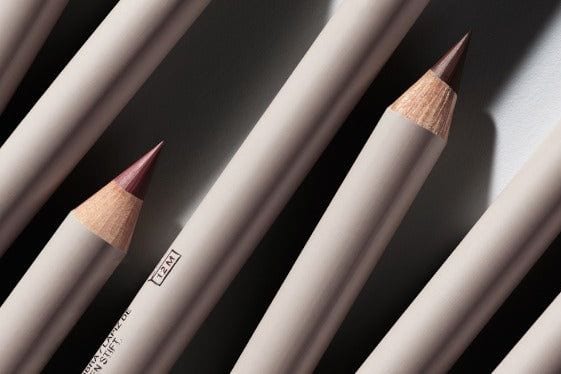
Conditioning brow oils, tinted gels and pencils, many made with castor oil.
Shop browsCastor oil at a glance: what helps and what is a myth
| Claim | What the evidence says | Our take |
|---|---|---|
| Conditions brows and lashes | Coats and softens hairs | Yes: glossier, less brittle hairs |
| Makes lashes or brows grow | No good clinical evidence | Myth; enjoy the shine, not a promise of growth |
| Softens dry lips and cuticles | Well-known emollient | Yes, especially overnight |
| Helps cleanse make-up | Helps oils dissolve make-up and sunscreen | Yes, in a blend or a ready-made cleanser |
| Clears acne or treats skin conditions | Not supported | No; see a GP or pharmacist for skin conditions |
| Thickens hair | Not supported | It adds shine; hair growth depends on other factors |
How to use castor oil safely
- Patch-test first. Apply a little to the inner arm and wait 24 to 48 hours. A small number of people develop irritation or contact dermatitis.
- Keep it out of your eyes. Use a clean brush on lashes, apply a tiny amount, and stop if your eyes become red, itchy or sore.
- Choose cosmetic-grade oil or a finished product, and store it closed, away from heat and light.
- Go easy on breakout-prone skin. Castor oil is heavy; use it on dry areas rather than across oily skin.
- Do not swallow it. Castor oil is a strong laxative. Never take it, or use it to try to bring on labour, without advice from a GP, pharmacist or midwife.
Great for
Dry lips, cuticles, elbows and heels; anyone wanting glossier brows and lashes; dry hair ends.
Skip or go gently if
You have very oily or acne-prone skin, sensitive eyes or wear contact lenses, or you have reacted to castor oil before.
Our castor oil picks
All in stock today and made with castor oil, so you get the benefits in an easy, ready-made formula.

Organic jojoba, argan, sesame and castor oils to moisturise and condition brows.
Shop now →
Tinted brow gel with tiny bamboo fibres, plus argan and castor oils to condition.
Shop now →
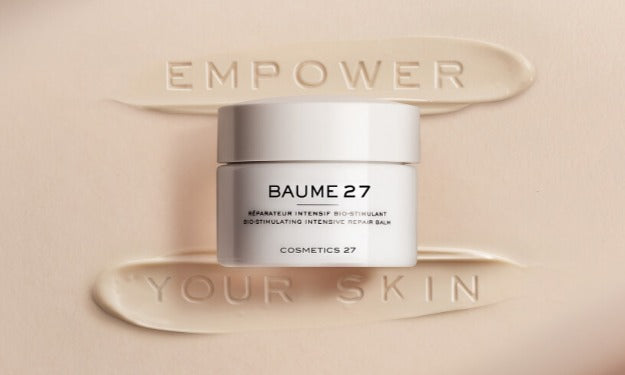
Botanical oils, beeswax and bisabolol to keep dry lips soft through colder months.
Shop now →
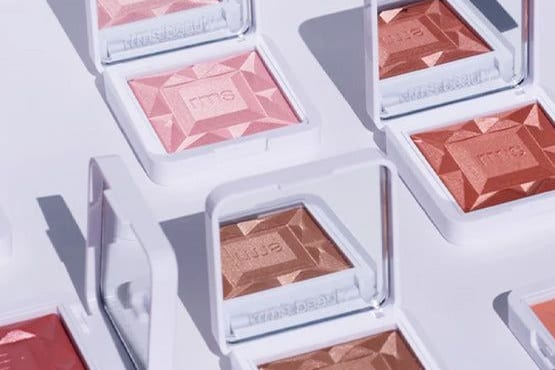
Multi-use tinted oil for lips, cheeks and eyes: a dewy, non-sticky finish.
Shop now →
Soft lips, all winter
Nourishing lip balms, oils and treatments made with natural butters and oils.
Shop lip careExplore all beauty products with castor oil, our eye and brow care, lip care and nail care, or a dedicated natural hair oil. For more on oils, read our guides to types of face oil and dry body oil vs wet oil.
Frequently asked questions
What is castor oil?
Castor oil is a thick, pale plant oil pressed from the seeds of the castor plant (Ricinus communis). Around 90% of it is ricinoleic acid, an unusual fatty acid that makes the oil very viscous and glossy. In beauty products it softens, adds shine and helps form a moisture-holding film.
What are the benefits of castor oil for women?
In beauty, castor oil is mainly used to condition brows and lashes, soften dry lips, cuticles and rough patches, add gloss to lip products and help oil cleansers lift make-up. Its benefits are cosmetic: it makes hair and skin look and feel better cared for. It is not a treatment for any medical condition.
Does castor oil make eyelashes and eyebrows grow?
There is no good scientific evidence that castor oil makes lashes or brows grow. It coats and conditions the hairs, which can make them look glossier and fuller, and helps prevent dryness and breakage. If you notice sudden brow or lash loss, speak to your GP.
What does castor oil do for your skin?
It softens and helps reduce water loss, so it suits very dry areas such as elbows, heels and cuticles. Because it is heavy and sticky, most people use it in small amounts or as part of a blend rather than on its own across the whole face.
Is castor oil safe to use?
Cosmetic-grade castor oil is widely used in skincare and make-up and is safe for most people. The toxin found in castor beans does not carry into the processed oil. A small number of people react to it, so patch-test first and keep it out of the eyes.
Can I drink castor oil?
Do not swallow castor oil or use it to try to bring on labour without advice from a GP, pharmacist or midwife. It is a strong laxative and can cause cramps and dehydration. This guide covers cosmetic use only.
What is the difference between castor oil and Jamaican black castor oil?
Standard castor oil is usually cold-pressed and pale. Jamaican black castor oil is made from roasted beans, which gives a darker colour and smoky scent. Both are used on hair and skin in the same way; there is no strong evidence that one works better than the other.


