



Vitamin E for skin is one of the most common ingredients in skincare, and one of the most overpromised. It is a genuinely useful antioxidant and moisturising ingredient, but it will not erase wrinkles or build collagen on its own. Here is what vitamin E really does for your skin, how it compares with collagen, whether to use vitamin E oil or capsules, and how to get the most from it in your routine.
- Vitamin E is an antioxidant and emollient: it helps protect skin from environmental stress and keeps it soft and comfortable.
- On its own it has modest evidence for wrinkles. It works best with vitamin C and daily sunscreen.
- It does not make collagen. Vitamin C does that job; vitamin E helps protect what you have.
- Choose a finished serum, cream or oil over pure vitamin E oil or punctured capsules.
- Most people get enough vitamin E from food; supplements are rarely needed for skin.
What vitamin E does for skin
Vitamin E is a group of fat-soluble compounds. On an ingredient list you will usually see it as tocopherol or tocopheryl acetate. In skincare it does three useful things:
- Antioxidant. It helps neutralise free radicals created by UV light and pollution, which damage skin over time.
- Emollient. It softens the skin and helps reduce water loss, so skin feels smoother and less tight.
- Formula protector. It slows oils in a product from oxidising, which is why it appears in so many face oils, balms and creams.
Your skin also gets vitamin E from your diet; it is delivered to the surface partly through sebum, the skin’s natural oil. Applying it topically adds to that supply where it is needed most.
Does vitamin E help wrinkles?
Honestly: a little, and indirectly. Studies on vitamin E alone show modest results at best. Its value is preventive and supportive: as an antioxidant it helps limit the daily damage that contributes to lines, and as an emollient it makes skin look smoother and plumper while it is well moisturised.
Where vitamin E shines is in combination. Paired with vitamin C, the two antioxidants help regenerate each other, which is why you often see them together in serums. Add daily broad-spectrum sunscreen, the single most effective anti-ageing step, and a retinoid at night if you want to target existing lines. Our guide to retinal vs retinol explains how to choose one.
Think of vitamin E as a bodyguard for your skin, not a builder: it protects, while sunscreen, vitamin C and retinoids do the heavy lifting.
Vitamin E vs collagen: which is better for skin?
These two are often compared, but they are not alternatives. Collagen is the protein that gives skin its structure; vitamin E is an antioxidant that helps protect it.
| Vitamin E | Collagen in skincare | |
|---|---|---|
| What it is | Fat-soluble antioxidant (tocopherol) | Large structural protein, often hydrolysed |
| What it does on skin | Protects against free radicals, softens, helps reduce water loss | Sits on the surface and helps hold moisture; does not add to skin’s own collagen |
| Helps your own collagen? | Indirectly, by limiting oxidative damage | No; your skin makes collagen itself, using vitamin C |
| Best paired with | Vitamin C and daily SPF | Hyaluronic acid, peptides and a good moisturiser |
| Best for | Dry, stressed or city skin; antioxidant support | Hydration and a smoother, plumper feel |
If firmness is your goal, the most effective steps are protecting the collagen you have (sunscreen, antioxidants) and encouraging your skin to make more (vitamin C, retinoids). Read more in our guide to collagen production.

Vitamin-rich face serums
Lightweight serums with vitamins C and E, made to layer under moisturiser and SPF.
Shop face serumsVitamin E oil vs capsules vs skincare
| Option | What to know | Verdict |
|---|---|---|
| Pure vitamin E oil | Very thick and sticky; strength varies by product | Fine for small, very dry patches; patch-test first |
| Pricked supplement capsules | Made to be swallowed, not applied; heavy and unpredictable on skin | Not recommended on the face |
| Face oil with vitamin E | Vitamin E within a blend of plant oils; easy to spread | Good at night for dry skin |
| Serum or cream with vitamins C and E | Stable, measured formula, often with other actives | The best everyday choice for most skin |
A note on scars: vitamin E oil is often recommended for scars, but the research does not show a clear benefit, and some people develop an itchy rash from it. If you have a new or worrying scar, ask a pharmacist or GP.
Vitamin E in food and supplements
According to the NHS, adults need around 4mg of vitamin E a day (men) and 3mg (women), and you should be able to get it all from your diet. Good sources include plant oils such as rapeseed, sunflower, soya, corn and olive oil, nuts, seeds and wheatgerm.
Supplements: the NHS says taking 540mg (800 IU) or less a day of vitamin E supplements is unlikely to cause harm, but most people do not need them. Speak to a pharmacist or GP before taking one, particularly if you take other medicines or are pregnant.
How to use vitamin E in your routine
Morning: antioxidant serum
After cleansing, apply a serum with vitamins C and E. This is when antioxidants are most useful, before your skin meets UV light and pollution.
Moisturise
Follow with a moisturiser suited to your skin type. Many already contain tocopherol to soften and protect the formula.
Finish with SPF
Broad-spectrum sunscreen every day, even in a UK winter. Antioxidants support sunscreen; they never replace it.
Night: nourish
Dry skin can add a few drops of a face oil or a richer cream. If you use a retinoid, apply it on clean, dry skin first, then moisturise.
Who will love it
Dry, dehydrated or weather-beaten skin; anyone wanting gentle antioxidant support; people who find stronger actives irritating.
Who should be careful
Very oily or breakout-prone skin (choose light serums over oils), and anyone who has reacted to vitamin E before. A small number of people develop contact dermatitis, so patch-test new products for 24 to 48 hours.
Our vitamin E picks
In stock today, each containing vitamin E alongside other skin-friendly ingredients.

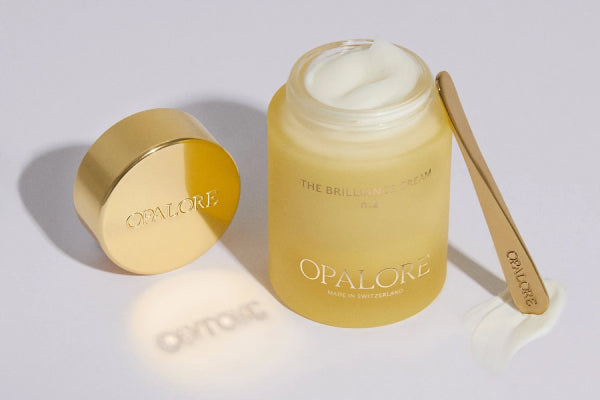
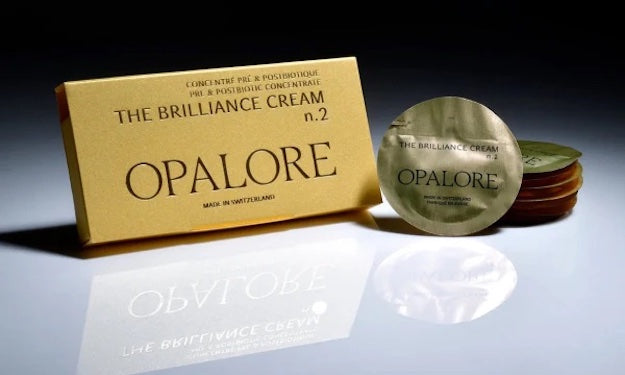
Lightweight jelly serum with 30% Vita ACE complex (vitamins A, C and E) to hydrate and brighten.
Shop now →
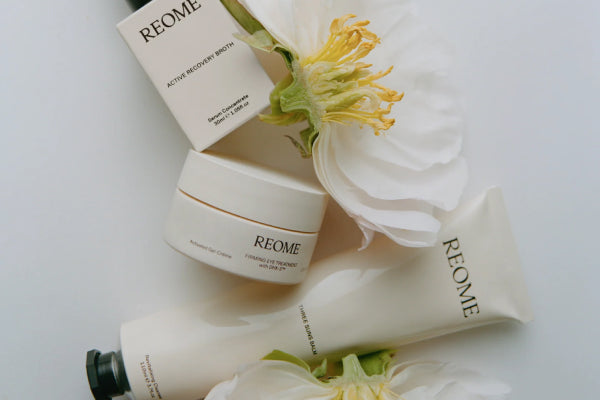
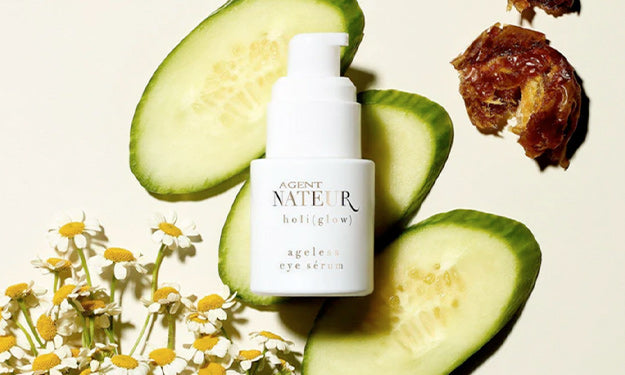
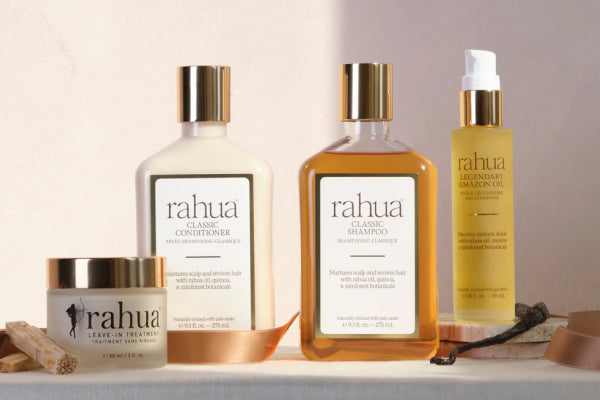
Peptides, ceramides, vitamins and antioxidants with 11 amino acids, to hydrate and strengthen the skin barrier.
Shop now →
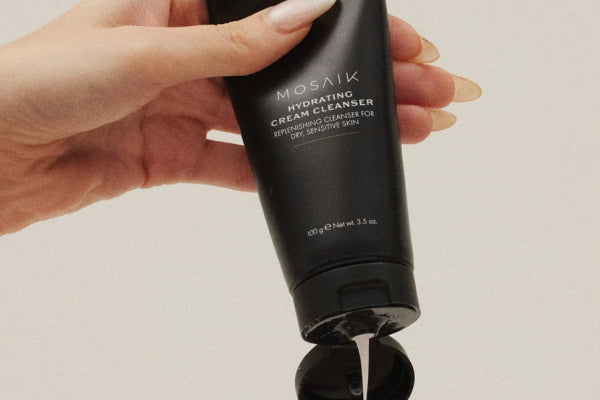
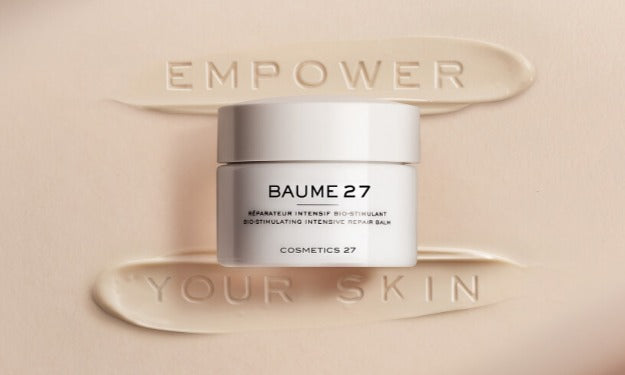
Quick-absorbing peptide cream with multi-weight hyaluronic acid and bio-identical collagen.
Shop now →
Tinted mineral SPF 50 with niacinamide, green tea and chamomile: the step that protects everything else.
Shop now →
Antioxidants work best with SPF
Mineral sunscreens for face and body, for every day of the year.
Shop suncareExplore all skincare with vitamin E, pair it with vitamin C skincare, find a natural moisturiser or browse face serums and treatments. For dry skin at night, read our guide to types of face oil.
Frequently asked questions
Does vitamin E help with wrinkles?
Vitamin E can make skin feel softer and look smoother because it is a good emollient, and as an antioxidant it helps protect skin from everyday environmental stress. It does not reverse wrinkles on its own. For visible lines, daily sunscreen and a retinoid have the strongest evidence; vitamin E works best as a supporting ingredient, ideally alongside vitamin C.
Is vitamin E or collagen better for skin?
They do different jobs. Vitamin E is an antioxidant and emollient. Collagen in a cream is a large molecule that mainly sits on the surface and helps hold moisture; it does not top up the collagen in your skin. Your skin makes its own collagen, and vitamin C is the vitamin it needs to do so. Many good moisturisers use both.
Is vitamin E anti-ageing?
Partly. It helps protect skin against free radicals generated by UV light and pollution, one of the drivers of visible ageing, and it supports a comfortable, well-moisturised skin barrier. It is not a substitute for SPF, and it works better combined with other antioxidants than alone.
Can vitamin E improve skin elasticity?
There is little good evidence that applying vitamin E alone makes skin noticeably more elastic. Well-moisturised skin feels more supple, which vitamin E helps with, but firmness depends mainly on collagen and elastin, which are best protected by daily sunscreen.
Why is vitamin E called the beauty vitamin?
Because it is found in so many skincare and haircare products. It softens skin, helps reduce moisture loss, protects oils in a formula from going rancid and acts as an antioxidant. The nickname is marketing shorthand rather than a scientific term.
Can I put vitamin E oil on my face overnight?
If your skin is dry and not prone to breakouts, a few drops of a face oil containing vitamin E pressed over your moisturiser at night is fine. Pure vitamin E oil is thick and sticky, so most people prefer it diluted in a blend. Patch-test first, as a small number of people react to it.
Can I use vitamin E capsules on my face?
It is better not to. Supplement capsules are made to be swallowed: the strength and other ingredients are not designed for skin, and the oil is heavy. A finished skincare product with vitamin E is easier to use and gentler.
Do I need a vitamin E supplement for my skin?
Most people do not. The NHS says you should be able to get all the vitamin E you need from your diet, from plant oils, nuts, seeds and wheatgerm. If you are thinking about a supplement, check with a pharmacist or GP first, especially if you take other medicines.


