
Rose has been used in beauty rituals for centuries, and it still turns up in serums, cleansers and face oils today. But when people talk about rose oil for skin, they often mean three different things: rose essential oil, rosehip oil and rose water. Each behaves differently on your face. Here is what each can genuinely do, how to use rose essential oil safely, and how to choose the right rose product for your skin.
- Rose essential oil is a highly concentrated fragrance oil: lovely in a blend, never used neat on skin.
- Rosehip oil is a different product, pressed from seeds: a nourishing face oil you can use a few drops at a time.
- Rose water is the gentlest option, used as a toner or mist.
- Dilute rose essential oil to around 1% or less for the face, and patch-test first.
- Its main benefits are comfort and scent; it does not treat wrinkles, acne or skin conditions.
Rose oil, rosehip oil and rose water: what is the difference?
Most confusion about rose oil comes from these three being sold under similar names. The table below is the quickest way to tell them apart before you buy.
| Product | What it is | How to use it |
|---|---|---|
| Rose essential oil (rose otto or rose absolute) | A concentrated aromatic oil from Damask or cabbage rose petals; several thousand kilograms of petals make a single kilogram | Always diluted: a drop or two in a carrier oil or cream |
| Rosehip oil | A plant oil pressed from the seeds of rose hips, the fruit left after the flower | On its own as a face oil, 2 to 4 drops after serum |
| Rose water (rose hydrosol) | The fragrant water left after steam-distilling rose petals | As a toner or mist, straight on clean skin |
Many face products combine them: a rosehip-based facial oil scented with a little rose otto, or a cleanser with rose water and rose extract. Read the ingredient list (INCI) to see which one you are actually getting: Rosa damascena or Rosa centifolia flower oil is the essential oil, Rosa canina or Rosa rubiginosa seed oil is rosehip oil.
What rose oil can and cannot do for your skin
Rose has a long history in skincare, and plenty of the claims online go further than the evidence. Here is a fair summary.
| Claim | What we can say | What it means for you |
|---|---|---|
| Makes skincare a pleasure to use | Yes. The scent is the main reason people love rose products | A rose cleanser or oil can make your routine feel like a ritual you keep up |
| Softens and comforts dry skin | Mostly thanks to the oil or cream base it is mixed into | Choose the base for your skin type; rose adds scent and character |
| Antioxidant and antibacterial | Shown in laboratory studies, not proven as a skin treatment | Nice to know, but not a reason to expect visible results on its own |
| Reduces wrinkles or treats acne | No good evidence | Look at proven ingredients, and see a pharmacist or GP about persistent acne |
| Suits sensitive skin | Not always. Rose oil naturally contains fragrance allergens such as citronellol, geraniol and eugenol | Patch-test, use low concentrations, or start with rose water |

How to use rose oil on your face
The safest way to enjoy rose on your face is in a finished product, where the concentration is already set. If you want to make your own rose facial oil, follow these steps.
Choose a carrier oil
Pick a base oil your skin already tolerates. Jojoba suits most skin types and feels light; rosehip oil is a popular choice for dry or dull-looking skin. You need about a tablespoon (15 ml).
Add one or two drops of rose essential oil
One to two drops per tablespoon keeps the blend at around 1% or less, a sensible level for facial skin. More is not better: higher concentrations raise the risk of irritation without making the oil work harder.
Patch-test for 24 to 48 hours
Apply a little to the inside of your forearm or behind the ear and leave it. If there is no redness, itching or bumps, try it on your face.
Press it in as the last step
After cleansing, serum and moisturiser, warm two or three drops between your palms and press them over the face, avoiding the eye area. Use it at night if you prefer, so it does not interfere with make-up or sunscreen.
Store it well
Keep the blend in a dark glass bottle, away from heat and light, and use it within a few months. Throw it away if the smell changes.
Treat rose essential oil as a seasoning, not the main ingredient: a drop or two in a good base is all your face needs.
Safety: dilution, patch tests and who should avoid it
- Never apply rose essential oil neat to the skin, and keep it away from the eyes.
- Patch-test every new blend, even if you have used rose products before.
- Do not layer several fragranced products at once if your skin is sensitive; if it reacts, you will not know which one caused it.
- Pregnant or breastfeeding? Ask your midwife, GP or pharmacist before using essential oils.
- Keep essential oils away from children and pets, and never swallow them.
Which rose product suits your skin type
Dry or mature skin
Rosehip oil or a rose-scented facial oil over moisturiser at night, plus a creamy cleanser that does not strip. Rose water in the morning adds a fresh, light layer under serum.
Combination or oily skin
Rose water or a rose mist to refresh during the day, a gel or foaming rose cleanser, and a few drops of a light oil only where skin feels dry.
Sensitive skin
Start with rose water, which is milder, and avoid essential-oil blends until you have patch-tested. Short ingredient lists you already tolerate are the safest bet.
Blemish-prone skin
Rose will not treat breakouts. Keep oils light and away from active spots, and focus on gentle cleansing and the treatment your pharmacist or dermatologist recommends.
Our rose skincare picks
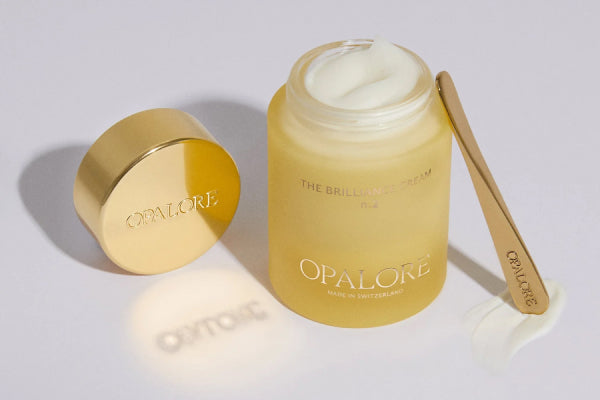
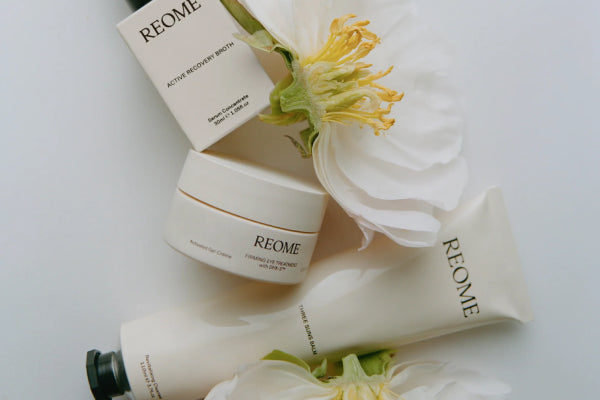
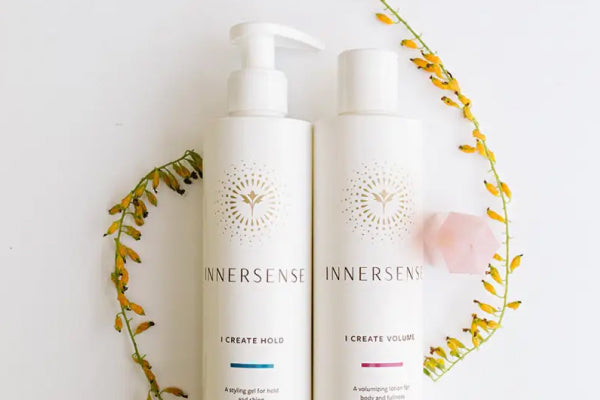
We do not currently stock a pure rose essential oil, and we would rather you enjoyed rose in a finished, correctly balanced formula. These are our in-stock picks, from cleanser to night oil.

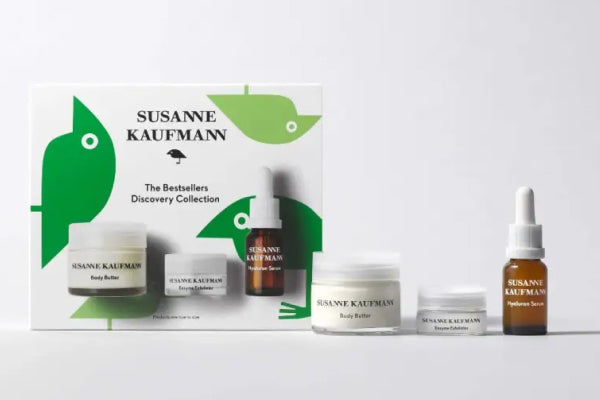
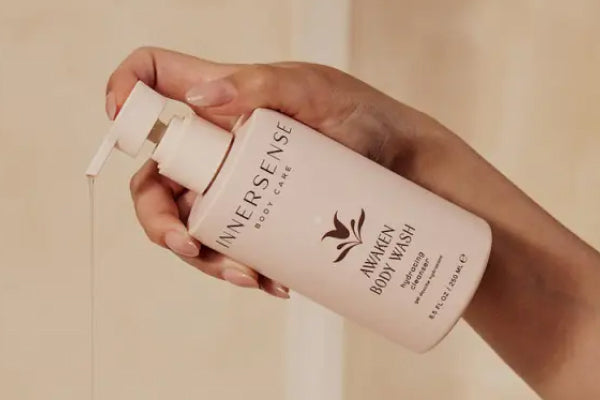
Award-winning rose-infused face wash that leaves skin soft and refreshed.
Shop now →
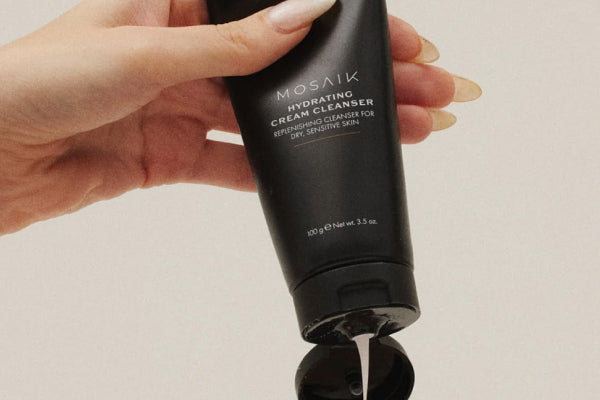
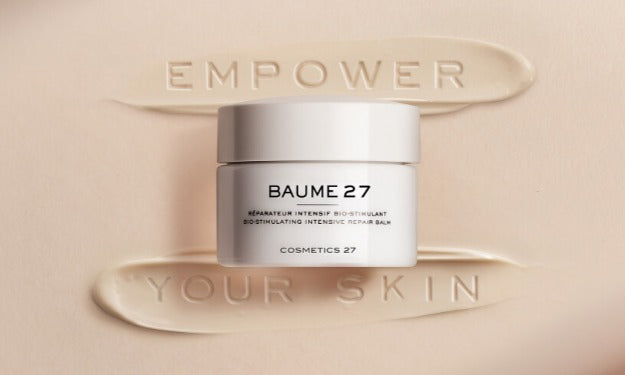
Ultra-gentle cream cleanser with Rosa centifolia and African aloe ferox.
Shop now →
Lightweight rose-based serum to hydrate and brighten.
Shop now →
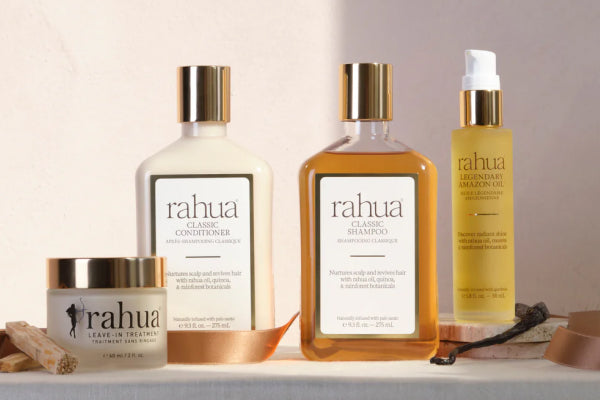
Rosehip and retinoid night oil, delicately fragranced with rose oil.
Shop now →
Explore all our skincare with rose and rosehip seed oil, browse natural face oils and face mists and toners, or start with our natural cleansers. To find the right oil base, read our guide to types of face oil by skin type, and for the colder months, our autumn skincare routine.
Frequently asked questions
Is rose oil good for your face?
It can be a pleasant addition to a facial oil or cream, mainly for its scent and as part of a nourishing routine. Rose essential oil must always be diluted before it touches your face, because it is highly concentrated and contains natural fragrance allergens. If you want an oil to use straight on the face, rosehip oil is the usual choice.
What is the difference between rose oil and rosehip oil?
Rose oil (rose otto or rose absolute) is an essential oil made from the petals: tiny amounts, very concentrated and strongly scented, always diluted. Rosehip oil is pressed from the seeds of the rose hip fruit: a carrier oil rich in fatty acids that you can use undiluted, a few drops at a time.
How do I dilute rose essential oil for my face?
Keep it to around 1% or less for the face: one to two drops of rose essential oil in a tablespoon (about 15 ml) of a carrier oil such as jojoba or rosehip. Mix well, patch-test for 24 to 48 hours and avoid the eye area.
Can I use rose oil every day?
A well-diluted rose blend or a finished product containing rose can be used daily if your skin is comfortable with it. Stop if you notice redness, itching or stinging, and do not layer several fragranced products at once if your skin is sensitive.
Is rose oil good for dry or sensitive skin?
Dry skin often enjoys rose-scented facial oils and creams, but the oil base does most of the work. Sensitive skin can react to essential oils, including rose, so patch-test, choose low concentrations or rose water instead, and stop if skin reacts.
Does rose oil help with wrinkles or acne?
There is no good evidence that rose essential oil treats wrinkles or acne. Laboratory studies show antioxidant and antibacterial activity, but that does not prove an effect on skin. For lines and breakouts, look at proven ingredients and speak to a pharmacist or dermatologist about persistent acne.
Is rose water the same as rose oil?
No. Rose water is the fragrant water left after steam-distilling rose petals. It is far milder than rose essential oil, used as a toner or mist, and suits most skin types.