








Curls are not difficult hair. They are thirsty, easily disturbed hair, and most of the frizz, tangles and flat days people blame on their curl pattern come from a routine built for straight hair. A good curly hair routine is simple: wash gently, condition generously, style while hair is soaking wet, then leave it alone while it dries. Here is how to do each step, how to adjust it for waves, curls or coils, and what to change as the UK winter sets in.
- Wash with a gentle, hydrating shampoo every few days rather than daily, focusing it on your scalp.
- Detangle in the shower, with conditioner in and your fingers or a wide-tooth comb, never on dry hair.
- Apply leave-in and styler to soaking-wet hair: that water is what gives you defined clumps instead of frizz.
- Choose cream for softness and moisture, gel for definition and hold, or layer both.
- Dry without touching, then scrunch out the stiffness once hair is completely dry.
Know your curl pattern first
Curly hair covers a wide range, from loose S-shaped waves to tight coils, and often several patterns sit on one head. You do not need to label every strand, but knowing roughly where you are helps you choose how much moisture and hold to use. As a rule, the tighter the curl, the drier the hair tends to feel, because the natural oil from your scalp struggles to travel down a spiral.
| Pattern | What it looks like | What it usually needs |
|---|---|---|
| Wavy | Loose S-shapes that fall flat easily, often straighter at the roots | Light products, little and often; foam or a light gel so waves are not weighed down |
| Curly | Defined spirals or ringlets, prone to frizz and tangles | Rich conditioner, a leave-in and a cream, a gel or both |
| Coily | Tight coils or zigzags with a lot of shrinkage | The most moisture: rich cleansing, weekly masks and creamy stylers, applied in sections |
Porosity matters too. Hair that soaks up water quickly and dries fast, often because of colour, bleach or heat, loses moisture just as quickly and usually likes richer products. Hair that takes ages to get wet tends to prefer lighter formulas, used in smaller amounts.
The curly hair routine, step by step
This is your wash-day routine. It takes a little longer than a straight-hair routine the first few times, then becomes second nature. Change one product at a time, so that if something works or does not, you know which one it was.
Cleanse the scalp gently
Your scalp needs cleaning; your lengths mainly need protecting. Massage shampoo into the scalp with your fingertips and let the lather run through the lengths as you rinse, rather than piling hair on top of your head and scrubbing. If your hair feels dry or rough straight after washing, the shampoo is too harsh for you.
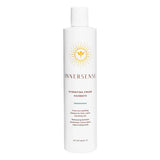
The Innersense Hydrating Cream Hairbath Shampoo is made for thick, coarse and thirsty hair, which makes it a natural fit for curls and coils. If you are switching from a high-lather formula, our guide to sulfate-free shampoo explains what to expect.
Condition and detangle in the shower
Be generous with conditioner from mid-lengths to ends. While it is in, comb through with your fingers or a wide-tooth comb, starting at the ends and working up. Curly hair tangles easily and breaks most when it is dry, so the shower is the safest place to detangle. Leave the conditioner on for a few minutes, then rinse with lukewarm or cool water.
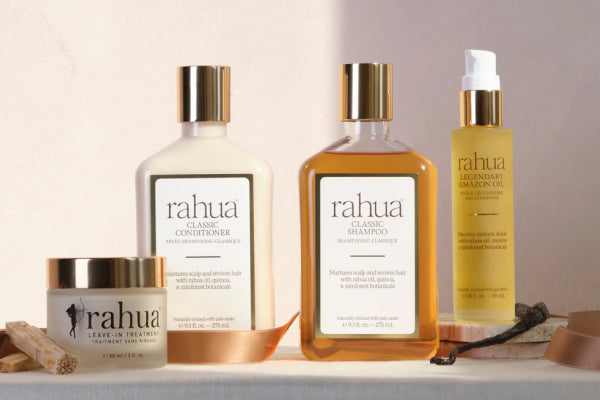
For dry or frizz-prone curls, the Rahua Hydration Essential Hair Care Set (new at Alyaka) pairs Rahua’s Hydration Shampoo and Hydration Conditioner: a rich, creamy cleanse and a conditioner that softens, detangles and tames. Once a week, swap the conditioner for a mask: the Rahua Hydration Hair Mask 120ml blends Rahua oil and shea butter and is described by the brand as particularly suited to curly, thick, coarse and porous hair.
Apply leave-in to soaking-wet hair
Do not towel-dry first. Water is what helps curls group into defined clumps, so apply your leave-in while hair is still dripping. Work it through in sections, then scrunch upwards. Waves need only a light mist; curls and coils can take more.
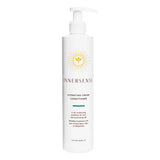
The Innersense Sweet Spirit Leave-In Conditioner is a lightweight detangling spray with aloe vera and tamanu oil that suits all hair types, so it works on waves without weighing them down and layers easily under a cream on thicker curls. For a step-by-step on choosing and using one, read our guide to leave-in conditioner.
Style: cream, gel or both
Your styler sets the shape. Rake or glaze it through the hair, then scrunch. Use more than you think for the first try, then adjust: too little gives frizz, too much gives heavy or sticky curls.
A cream is the softer option. Yarok Feed Your Curls Defining Creme 230g is a moisturising, conditioning styling crème with jojoba, grapeseed and meadowfoam oils, made to be twirled through damp curls. It contains essential oils, so patch-test if your scalp is sensitive. For more definition, Innersense I Create Curl Memory is a hydrating gelée that smooths, hydrates and holds in one step, with bamboo extract and organic aloe vera; Innersense recommends it for coarse, curly and coily hair. On waves that a cream flattens, a firm-hold foam such as Innersense I Create Definition Styling Foam enhances natural texture and cuts drying time.
Dry without disturbing
Blot out excess water with a cotton T-shirt or microfibre towel, pressing upwards rather than rubbing. Then either let hair air-dry or use a diffuser on low heat and low speed, cupping sections of curl into the bowl. Whichever you choose, keep your hands off until hair is fully dry: touching damp curls breaks the clumps and starts frizz.
Scrunch out the crunch
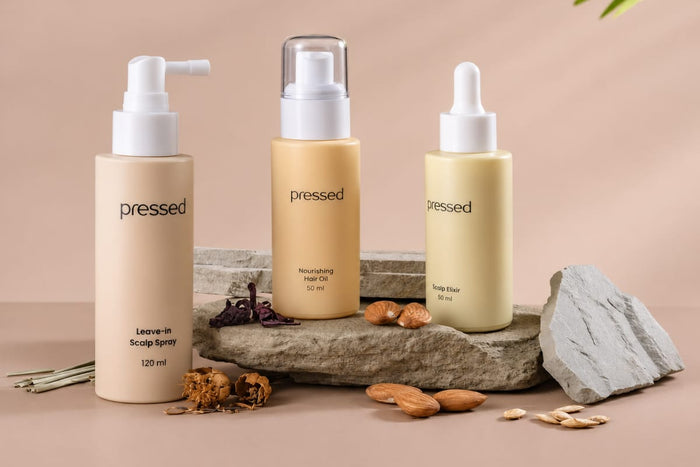
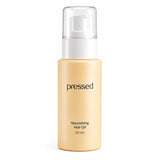
If you used gel, curls may feel stiff when dry. That is the cast, and it has done its job of holding the shape. Scrunch gently with your hands until it softens. A drop or two of a light oil on your palms helps; the new Pressed Beauty Nourishing Hair Oil is a fast-absorbing option for lengths and ends, used sparingly on finer waves.

Hydrating shampoo for thick, coarse and thirsty hair.
£28
Shop now →
New: Rahua Hydration Shampoo and Conditioner together.
£68
Shop now →
Weekly mask with Rahua oil and shea butter.
£43
Shop now →
Lightweight leave-in spray for detangling and frizz.
£26
Shop now →
Moisturising curl crème for soft definition.
£49
Shop now →
Hydrating gelée for long-lasting, touchable curls.
£26
Shop now →
Products made for curls and coils
Hydrating shampoos, rich masks and stylers chosen for curly, coily and wavy hair.
Shop curly hairHow often should you wash curly hair?
Less often than straight hair, for most people, but there is no single right number. The scalp produces oil at its own rate; curls simply make it harder for that oil to reach the ends, so the lengths dry out while the roots may still need cleaning.
- Wavy hair: often every one to three days, because waves show oil and weight sooner.
- Curly hair: commonly every two to four days.
- Coily hair: often every five to seven days, with refreshes in between.
If you exercise a lot, have an oily or itchy scalp, or use a lot of product, wash more often and choose a gentler shampoo rather than skipping washes. Every few weeks, or whenever curls feel coated, limp or dull, use a clarifying wash to reset, then follow with a mask.
Refresh days: reviving curls between washes
Second- and third-day curls flatten, frizz or lose shape, especially after sleep. You do not need to restyle from scratch.
- Mist sections with water, or water mixed with a little leave-in, until damp rather than soaked.
- Scrunch a small amount of cream or gel into frizzy or stretched-out curls only.
- Let them dry, or diffuse for a minute or two, without touching.
- Protect overnight with a satin or silk pillowcase, or a loose bun on top of your head, so curls are not crushed.
A detangling mist such as the Rahua Hydration Detangler + UV Barrier can be used on damp or dry hair, which makes it handy for quick refreshes.
Curly hair in winter: what to change
Cold air outside and central heating inside both pull moisture from hair, and curls feel it first. Hats, scarves and coat collars add friction, which roughens the outer layer of the hair and causes frizz. A few small adjustments keep the routine working through the colder months.
- Add moisture, not more washes. Swap to a richer conditioner or move your weekly mask to every wash if curls feel straw-like.
- Seal with a gel. A gel cast protects definition better than a cream alone when the air is dry or damp.
- Dry fully before going out. Damp curls under a hat lose their shape and can feel cold for hours.
- Line your hat. A satin-lined hat or a silk scarf underneath reduces friction.
- Mind hard water. Much of the UK has hard water. If curls feel dry and stiff despite good conditioning, mineral build-up may be part of it; a periodic clarifying wash followed by a mask often helps.
For the scalp side of seasonal change, see our autumn hair care routine.
The curly girl method: what to keep and what to skip
The curly girl method, popularised by hairstylist Lorraine Massey, asks you to avoid sulfates, silicones and heat, to cleanse gently and to style on wet hair. It changed how many people treat their curls, but it can also feel like a long list of rules. Here is a practical way to use it.
Worth keeping
Gentle cleansing; lots of conditioner; detangling in the shower; styling on soaking-wet hair; drying without touching; protecting hair at night. These are the habits that make the biggest difference for most curls.
Fine to relax
Strict ingredient bans and never using heat. If a product works for your hair and scalp, it works. A diffuser on low heat is a reasonable choice in winter, and an occasional stronger wash is useful when hair feels coated.
The method also suggests “co-washing”, cleansing with conditioner only. It can suit very dry, coily hair, but it does not clean the scalp as thoroughly as shampoo, so it is not a good fit if your scalp gets oily, itchy or flaky.
Troubleshooting: frizzy, crunchy, flat or greasy curls?
When a routine stops working, the symptom usually points to the step that needs changing.
| What you notice | Likely cause | Try this |
|---|---|---|
| Frizz all over | Hair too dry, or touched while drying | More leave-in on wetter hair, a gel on top, and hands off until fully dry |
| Stiff, crunchy curls | Gel cast not broken | Scrunch out once completely dry, or use less gel |
| Flat, limp waves | Products too heavy for the pattern | Switch to a light leave-in and a foam; apply less near the roots |
| Greasy roots, dry ends | Not washing the scalp often enough | Wash more often, keep shampoo on the scalp and conditioner on the lengths |
| Curls dull and coated | Product or hard-water build-up | A clarifying wash, then a mask |
| Lots of tangles and breakage | Detangling dry or rushing | Detangle only in the shower with conditioner, from ends upwards |
Most frizz is not a product problem. It is touching curls before they have finished drying.
Common curly hair mistakes
- Brushing dry curls. It separates each curl into frizz and causes breakage.
- Applying product to towel-dried hair. Without enough water, products cannot clump curls together.
- Rubbing with a regular towel. Terry towels roughen the hair surface; blot instead.
- Changing everything at once. Give a new routine at least two or three washes before judging it.
- Copying someone else’s routine. A coily routine will weigh down waves, and a wave routine will leave coils thirsty.

Creams, gels and foams for natural texture
Find the styler that suits your waves, curls or coils, from soft creams to long-lasting gels.
Shop hair stylingReady to build your routine? Start with our edit of products for curly hair, then explore natural shampoos, leave-in conditioners, hair treatments and masks and the full natural styling range.
Frequently asked questions
What is a good curly hair routine for beginners?
Keep it to four steps: a gentle, hydrating shampoo; a conditioner you detangle with in the shower; a leave-in on soaking-wet hair; and one styler, either a cream or a gel. Dry without touching, then scrunch out any stiffness. Add a mask once a week if your curls feel dry. Change one product at a time so you can see what works.
How often should I wash curly hair?
Most curly hair does well with a wash every two to four days, and coily hair often every five to seven. Wavy hair, which gets greasy faster, may need washing every other day. Wash when your scalp needs it, not by a fixed rule: an itchy or oily scalp is a sign to wash sooner.
Should I use a leave-in conditioner on curly hair?
For most curls, yes. A leave-in applied to soaking-wet hair helps with detangling, softness and frizz, and gives your styler something smooth to sit on. Fine waves may only need a light mist; thick or coily hair usually takes a more generous amount.
Is gel or curl cream better for curly hair?
It depends on what you want. A curl cream softens and adds moisture with a light, touchable hold, which suits dry, thick or coily hair. A gel or gelée gives more definition and frizz control, and often lasts longer in damp weather. Many people use both: cream first, then gel.
Do I have to follow the curly girl method?
No. The method is a set of guidelines, not rules. The ideas that help most people are gentle cleansing, plenty of conditioner, styling on wet hair and drying without touching. You can use those without giving up every ingredient on the list.
How do I stop my curls going frizzy in winter?
Keep moisture in: use a richer conditioner or a weekly mask, apply leave-in and styler on soaking-wet hair, and finish with a gel that forms a light cast. Sleep on a satin pillowcase or in a loose bun on top of your head, and avoid rubbing hair under hats and scarves.
Why are my curls crunchy after drying?
That stiffness is the cast your gel forms while it dries, and it is a good sign. Once your hair is completely dry, scrunch it gently with your hands, a little oil or a cotton T-shirt until it softens. If curls still feel hard, use less gel or layer it over a cream.
Product details and availability checked on 18 November 2026. This article is for general information and is not medical advice.


